
Tires are one of the most critical components of any commercial truck or trailer. They support heavy loads, maintain traction, absorb road impact, and help keep the vehicle stable during everyday operation. When a tire develops a problem, the issue can quickly affect safety, delivery schedules, and the overall productivity of your business.
For truck operators in San Angelo, TX, reliable tire care is not something to think about only after a tire fails. Regular inspections, timely repairs, and appropriate replacement decisions can help you keep your vehicles ready for work. Professional Tire Repair & Replacement Services can address a wide range of tire concerns while helping you determine the right solution for the condition of the tire.
Alfred’s Diesel and Trailer Repair understands that commercial vehicles often operate under demanding conditions. Long routes, heavy loads, rough roads, frequent stops, and changing weather can all place additional demands on tires. A tire that appears fine at the beginning of a trip may develop a problem later, which is why paying attention to early warning signs matters.
Why Tire Condition Matters for Commercial Trucks
A commercial truck depends on its tires every time it moves. Unlike passenger vehicles, many trucks spend extended periods on the road while carrying substantial weight. This creates continuous demands on the tires and makes their condition an important part of overall vehicle reliability.
A damaged or badly worn tire can affect more than the tire itself. It may influence handling, braking, stability, and the driver’s ability to maintain control. A tire failure can also leave a truck stopped away from the repair facility, creating additional downtime for the business.
Routine tire checks can help identify concerns before they become more disruptive. Drivers and fleet managers should pay attention to changes such as:
- Noticeably low tire pressure
- Uneven tread wear
- Visible cuts or punctures
- Sidewall damage
- Cracks or bulges
- Excessive tread wear
- Repeated loss of air
- Damage from road debris
- Unusual vibration while driving
These signs do not always mean that a tire needs immediate replacement. They do mean that the condition should be evaluated rather than ignored.
Common Causes of Commercial Tire Damage
Truck tires encounter many potential hazards during regular operation. Road debris is one of the most common causes of sudden tire damage. Sharp objects, damaged pavement, construction debris, and other road hazards can cause punctures or cuts that may not be immediately obvious.
Heavy loads can place additional stress on tires as well. When a truck operates under demanding conditions, maintaining proper tire condition becomes even more important.
Improper inflation is another concern. Tires that consistently operate with incorrect pressure may experience abnormal wear and may not perform as expected. If a tire repeatedly loses air, simply adding more air without identifying the cause may only provide a temporary solution.
Driving conditions can contribute to wear too. Frequent highway travel, rough roads, repeated loading and unloading, and regular stop-and-go driving can all affect how tires wear over time.
Understanding these factors can help you recognise why a tire is developing problems instead of treating each issue as an isolated event.
Tire Repair vs. Tire Replacement
When damage is discovered, one of the biggest questions is whether the tire can be repaired or needs to be replaced.
There is no single answer for every situation. The decision depends on the type, location, and severity of the damage, along with the overall condition of the tire. A professional inspection can help determine whether repair is appropriate or whether replacement is the safer option.
A tire that has minor damage in a repairable area may not necessarily need to be discarded. On the other hand, structural damage, severe wear, or certain types of sidewall damage may make replacement the more responsible choice.
Professional Tire Repair & Replacement Services can help commercial vehicle operators make this decision based on the actual condition of the tire rather than appearance alone.
An inspection may consider:
- Location of the damage
- Type of damage
- Size of the affected area
- Tread condition
- Sidewall condition
- Overall tire wear
- Previous repairs
- Air pressure concerns
- The vehicle’s normal operating conditions
This type of evaluation can help avoid unnecessary replacement while ensuring that unsafe tires are not kept in service.
Why Uneven Tread Wear Should Not Be Ignored
Uneven wear can be an early indication that something needs attention. When one section of a tire wears considerably faster than another, simply replacing the tire may not solve the underlying issue.
A vehicle-related problem could contribute to abnormal wear, or the tires may be experiencing conditions that need further investigation. If the cause is not addressed, a replacement tire could eventually develop the same pattern.
For fleet operators, monitoring tread wear can provide useful information about vehicle condition. Comparing tire wear over time may reveal recurring problems that deserve a closer look.
Drivers can help by reporting noticeable changes instead of waiting until the tread becomes severely worn.
The Role of Proper Tire Pressure
Tire pressure is one of the simplest aspects of tire maintenance to check, yet it can have a significant effect on tire performance.
A tire that is consistently underinflated or overinflated may not wear evenly. Incorrect pressure can also affect how the vehicle responds to road conditions.
If a driver notices that one tire repeatedly requires additional air, that should be treated as a reason for inspection. Repeatedly adding air without identifying why the pressure is dropping may allow the underlying problem to continue.
Regular checks can help identify pressure-related concerns before a truck begins a long route.
Recognising Early Warning Signs
Drivers are often the first people to notice that something has changed. A vibration through the steering wheel, unusual noise, pulling to one side, or a change in how the truck feels on the road may provide an early warning.
Not every unusual sensation is caused by a tire, but it should still be reported when it is new or persistent.
Early reporting gives a technician more information to work with. It can also help prevent a small concern from developing into a larger roadside problem.
For commercial operations, this type of communication can make maintenance more proactive. Instead of waiting for a complete failure, the business has an opportunity to investigate the symptom while the vehicle is still available.
When a Tire Problem Happens on the Road
Even with regular maintenance, tire problems can occur during a trip. A puncture, sudden loss of air, or tire failure can leave a truck in an inconvenient location and create pressure to get moving again quickly.
Safety should remain the first consideration.
If the truck can be moved safely away from traffic, the driver should do so. If the vehicle cannot be moved safely, the driver should remain in a secure position and follow the company’s emergency procedures.
Professional Roadside Emergency Assistance Services can help when a commercial vehicle experiences an unexpected roadside problem.
When contacting a repair provider, the driver should provide the vehicle’s location, explain what happened, and mention whether the truck is carrying a trailer. Clear information can help the response team understand the situation before arriving.
Why Commercial Fleets Need a Tire Maintenance Strategy
For businesses operating several trucks, tire maintenance should be handled as part of the wider vehicle care plan. A single tire problem may be manageable, but repeated failures across multiple vehicles can create significant scheduling and operational challenges.
Keeping records can help fleet managers identify patterns. Useful information can include tire replacement dates, recurring punctures, unusual wear, pressure concerns, and repairs performed.
Regular vehicle inspections can be coordinated with other scheduled maintenance. This makes it easier to monitor tire condition instead of treating tire problems as completely separate events.
A structured approach can help businesses decide when tires need attention and reduce the likelihood of discovering a serious problem only after a vehicle is already on the road.
Choosing the Right Approach for Your Truck
Every tire problem deserves an assessment based on the vehicle’s actual condition. The best solution may be a repair, replacement, inspection, or additional maintenance depending on what is discovered.
For truck operators in San Angelo, TX, dependable tire support can help protect both vehicle reliability and business continuity. A professional assessment can provide greater confidence when deciding whether a tire is suitable for continued use.
Tires may seem like a relatively simple part of a commercial vehicle, but their role is fundamental. They carry the vehicle and its load through every mile of a route. Keeping them in suitable condition is therefore a practical part of responsible truck maintenance.
Building Better Tire Care Habits
Good tire care starts with small, consistent actions. Checking for visible damage, monitoring pressure, paying attention to tread wear, and reporting unusual changes can all contribute to better vehicle awareness.
When problems are identified early, operators have more opportunity to address them before they become major interruptions.
For Alfred’s Diesel and Trailer Repair customers in San Angelo, TX, the focus should always be on practical service, appropriate repairs, and keeping commercial vehicles dependable for the work they need to perform. Whether the concern appears before a trip or develops unexpectedly during a route, understanding the condition of your tires is an important step toward safer and more reliable vehicle operation.
Understanding Common Commercial Tire Problems
A tire problem can begin with something that seems minor and gradually become a much larger concern. For commercial truck and trailer operators, understanding common tire problems makes it easier to recognise warning signs and decide when professional attention is needed.
Tires are exposed to road surfaces, heavy loads, temperature changes, braking forces, and long periods of continuous use. Because of these conditions, wear and damage can happen even when a vehicle is regularly maintained.
Knowing what to look for can help you respond before a tire issue creates unnecessary downtime.
Punctures and Slow Air Leaks
Punctures are among the most common tire problems experienced by vehicles that spend significant time on the road. Nails, screws, metal fragments, and other sharp objects can enter the tread and allow air to escape.
Not every puncture causes an immediate flat tire. Some create a slow leak that may initially be difficult to notice. A driver may simply find that the same tire needs additional air more often than the others.
A recurring pressure loss should not be treated as normal.
A professional inspection can determine whether the damage is repairable and whether the tire remains suitable for continued service. Continuing to operate a tire with an unresolved leak may increase the risk of further damage.
Sidewall Damage
The sidewall plays an important role in the overall structure of a tire. Damage in this area can be more concerning than a simple tread puncture.
Cuts, cracks, bulges, or visible deformation should be inspected by a qualified professional. Sidewall damage can result from road hazards, contact with curbs or other objects, improper operating conditions, or other causes.
Because sidewall problems can affect the structural integrity of the tire, drivers should avoid assuming that visible damage is harmless.
If you notice a significant change in the appearance of a tire’s sidewall, have it evaluated before continuing normal operation.
Excessive Tread Wear
Tread provides the contact surface between the tire and the road. As tires accumulate mileage, tread naturally wears down.
The concern begins when wear becomes excessive or develops unevenly.
A tire with significantly reduced tread may not perform the same way as a tire in better condition, particularly under changing road and weather conditions. Regular inspection allows operators to monitor wear and plan for replacement before a tire reaches an unsuitable condition.
Fleet managers can make tire checks part of routine vehicle inspections so that replacement needs are not discovered unexpectedly during a busy route.
Uneven Wear Patterns
Uneven tread wear can provide clues about the condition of the vehicle.
If one side of the tread wears faster than another, or if particular sections appear noticeably different, the tire may be experiencing conditions that need further investigation.
Simply installing a new tire may not solve the problem if an underlying vehicle issue continues to cause abnormal wear.
Keeping records of recurring wear patterns can help technicians understand what has been happening over time. This is especially useful for commercial fleets where vehicles may operate similar routes or carry similar loads.
Tire Damage From Road Debris
Commercial trucks regularly encounter debris on highways, construction areas, industrial roads, and local streets. Even when a driver cannot avoid every hazard, careful driving and regular inspections can help identify damage sooner.
After travelling through an area with significant debris, drivers should pay attention to unusual sounds, vibrations, or changes in vehicle handling.
A quick visual check when it is safe to do so may reveal an obvious puncture or damaged area.
If the condition is uncertain, professional inspection is preferable to guessing whether the tire is safe.
Problems Caused by Incorrect Inflation
Correct inflation is an important part of maintaining commercial tires. Pressure that is consistently outside the appropriate range can contribute to abnormal wear and affect the way the tire performs.
Underinflation can cause increased stress on the tire, while excessive pressure may change how the tire contacts the road.
Drivers should follow the vehicle and tire manufacturer’s recommended pressure guidance and report repeated pressure changes.
If one tire repeatedly loses air while the others remain stable, there may be a leak or another problem requiring attention.
Tire Vibrations While Driving
A new or unusual vibration should not automatically be ignored.
Drivers may notice vibration through the steering wheel, seat, or body of the vehicle. The cause may involve a tire, wheel, or another vehicle component, so professional diagnosis may be needed to determine the source.
A vibration that becomes stronger with speed or appears after a tire-related incident deserves particular attention.
Continuing to drive while ignoring a significant new vibration can make it harder to identify the original problem and may potentially allow additional issues to develop.
Tire Problems on Trailers
Trailer tires face their own operating demands. A trailer may spend long periods carrying cargo, and its tires remain essential to the stability and movement of the complete vehicle combination.
Trailer operators should inspect tires for visible damage, unusual wear, low pressure, and other warning signs.
A problem on the trailer can create the same type of operational disruption as a problem on the truck itself. This is why tire checks should cover the entire combination rather than focusing only on the tractor.
Professional Trailer Repair Services can provide additional support when a trailer has a mechanical or structural concern that requires attention.
When Tire Replacement Makes More Sense
Repair is not always the best option. Some tires may be too damaged, too worn, or otherwise unsuitable for continued use.
Replacement may be considered when the tire has severe damage or has reached a condition where continued operation would be inappropriate.
The decision should be based on an inspection rather than simply the age or appearance of the tire.
A professional can evaluate the tread, sidewall, damage location, overall condition, and other relevant factors before recommending the next step.
This helps operators avoid keeping an unsuitable tire in service while reducing unnecessary replacement of tires that may s
Choosing the Right Tires for Commercial Trucks and Trailers
Choosing a tire for a commercial truck is not simply a matter of finding a tire that fits the wheel. Commercial vehicles operate under demanding conditions, and the right tire needs to suit the vehicle, load, route, and type of work being performed.
For businesses in San Angelo, TX, tire selection can affect daily reliability, maintenance planning, and operating costs. A tire that is appropriate for one type of commercial use may not be the best choice for another. Understanding the basic factors involved can help you make more informed decisions when tires need to be repaired or replaced.
Consider How Your Truck Is Used
The first step is to consider the normal working conditions of the vehicle.
A truck that spends most of its time travelling long distances on highways may have different tire requirements from a vehicle that regularly operates around construction sites, industrial properties, local streets, or rough surfaces.
Think about:
- Average daily mileage
- Typical road surfaces
- Load requirements
- Highway or local driving
- Frequency of stops
- Weather conditions
- Trailer use
- Typical trip length
Your answers can help determine what type of tire is appropriate for the vehicle.
There is no universal tire choice that works perfectly for every commercial application. The tire should match the actual demands placed on it.
Pay Attention to Load Requirements
Commercial trucks often carry significantly more weight than passenger vehicles. Tires must be capable of supporting the vehicle and its intended load.
Before selecting a replacement, operators should make sure the tire’s specifications are appropriate for the vehicle’s requirements.
Using an unsuitable tire can create unnecessary concerns and may affect how the vehicle performs under load.
Fleet managers should keep relevant tire information available so replacement decisions can be made accurately rather than based only on appearance or price.
Understand Tread Design
Tread design can influence how a tire performs under different driving conditions.
Some tires are designed with characteristics suited to highway operation, while others may be better suited to applications involving mixed surfaces or demanding work environments.
The important consideration is how the tire will actually be used.
Choosing a tire based only on what looks attractive or what happens to be available may not provide the best long-term result. Commercial operators should consider the vehicle’s working conditions and select equipment accordingly.
Think About the Road Conditions
Road conditions in and around San Angelo can vary depending on where a commercial vehicle operates. Trucks may encounter smooth highways, local roads, industrial areas, construction zones, and rougher surfaces during their normal routes.
Road hazards can contribute to punctures, cuts, and premature wear.
If a vehicle frequently travels over rough surfaces, tire condition should be monitored closely. Drivers should report damage and unusual wear rather than waiting until the tire becomes unusable.
Understanding the routes your trucks regularly travel can help you make better decisions about tire selection and maintenance.
Inspect Tires Before Long Trips
A pre-trip inspection can help identify obvious concerns before a truck leaves the yard.
Drivers should look for visible damage, unusual tread wear, low pressure, and other signs that may indicate a problem.
The inspection does not need to be complicated. What matters is consistency.
A few minutes spent checking the vehicle can reveal an issue that might otherwise appear several miles into a route.
Long-distance trips can make tire preparation especially important because a minor problem may become much more disruptive when the truck is far from its normal service location.
Know When a Tire Is Worn Out
Tires naturally wear as they accumulate mileage, but the point at which replacement becomes appropriate should be based on their actual condition.
Operators should monitor tread depth, wear patterns, damage, and the overall condition of the tire.
A tire may require replacement even when it does not look completely worn if it has serious structural damage or another condition that makes continued use unsuitable.
Conversely, replacing tires unnecessarily can increase operating costs.
Professional evaluation can help determine the most appropriate course of action.
Do Not Ignore Sidewall Concerns
The sidewall deserves careful attention during inspections.
Bulges, cuts, cracks, or other visible damage should be evaluated rather than dismissed as cosmetic. Sidewall damage can be different from a simple tread puncture and may require a different approach.
Drivers should avoid attempting to determine the safety of significant sidewall damage based only on appearance.
If there is uncertainty, having the tire professionally inspected is a sensible step.
Replace Tires in a Planned Way
Waiting until a tire completely fails can make replacement more difficult to manage.
Planned replacement gives fleet managers more control over scheduling. Instead of dealing with an unexpected failure during a route, the business can arrange service when the vehicle is already scheduled for maintenance.
This approach can help reduce disruption and make it easier to coordinate tire needs across multiple vehicles.
Businesses can maintain records showing when tires were installed, where they were fitted, and what type of wear they developed.
These records can become useful when planning future replacements.
Monitor the Tires Across Your Fleet
Fleet operators should look beyond individual vehicles.
If several trucks experience similar tire problems, there may be a pattern worth investigating. For example, multiple vehicles may show unusual wear after operating the same type of route or under similar load conditions.
Fleet records can help identify these patterns.
A simple record can include:
| Information | Purpose |
|---|---|
| Vehicle number | Identifies the truck |
| Installation date | Tracks tire service history |
| Tire position | Shows where the tire was installed |
| Mileage | Provides operating context |
| Damage type | Records the reason for service |
| Wear pattern | Helps identify recurring concerns |
| Replacement date | Supports future planning |
Good records make it easier to understand what is happening across the fleet instead of treating every tire issue as a separate event.
When Professional Inspection Is Needed
Some tire concerns can be identified by the driver, but determining the correct repair or replacement option may require professional assessment.
This is particularly true when the tire has unusual damage, repeated air loss, severe wear, or an unclear problem.
Professional JPRO Tool Computerized Diagnostics can support diagnosis of vehicle-related concerns when a tire problem may be connected to another system. The right diagnostic approach depends on the symptoms and the condition of the vehicle.
A tire should not automatically be blamed for every vibration, handling change, or unusual driving symptom. Other vehicle components may contribute to what the driver is experiencing.
Balance Cost With Reliability
Price is naturally a consideration when purchasing replacement tires, especially for businesses managing several commercial vehicles.
However, the cheapest available option is not necessarily the most practical choice.
A tire’s suitability for the vehicle, expected service conditions, durability, and maintenance requirements should all be considered.
The goal is to choose equipment that supports reliable operation without creating unnecessary costs or repeated service problems.
A good purchasing decision considers the complete operating picture rather than focusing on the initial price alone.
Pay Attention to Seasonal and Weather Conditions
Weather can affect driving conditions and how tires perform.
Rain, heat, changing temperatures, and other environmental conditions can create different demands on commercial vehicles. Operators should pay attention to tire condition throughout the year instead of assuming that a tire that performed well several months ago will remain in the same condition indefinitely.
Regular inspections allow drivers and fleet managers to notice changes as operating conditions change.
Keep Spare and Emergency Planning in Mind
Commercial operators should have a clear plan for unexpected tire problems.
Even a properly maintained vehicle can encounter road debris or sudden damage. Knowing who to contact and how to report the vehicle’s location can help reduce confusion during an unexpected situation.
Drivers should have access to the company’s emergency procedures and understand what information they need to provide.
The response should always prioritise safety before speed.
Make Tire Decisions Based on Condition
The most reliable tire decisions are based on the actual condition and intended use of the vehicle.
When a tire needs attention, consider the damage, tread, sidewall, pressure, wear pattern, operating environment, and vehicle requirements before deciding what to do.
For commercial truck and trailer operators in San Angelo, TX, professional Tire Repair & Replacement Services can help evaluate tire concerns and determine whether repair or replacement is the more suitable option.
A thoughtful approach can help prevent unnecessary purchases while ensuring that unsuitable tires are not kept in service.
Keep Your Commercial Vehicles Ready
Tire selection and maintenance work together. Choosing an appropriate tire is only the beginning. Regular inspections, proper inflation, timely repairs, and planned replacement all contribute to better vehicle reliability.
When your tires receive consistent attention, you have a better opportunity to identify problems before they interrupt a route.
For businesses that depend on commercial trucks every day, that preparation can make a meaningful difference. Reliable tires support safer vehicle operation, smoother scheduling, and fewer avoidable disruptions.
Taking care of tires is a relatively simple part of commercial vehicle maintenance, but it can have a significant impact on how confidently your trucks perform from one route to the next.
When Should a Commercial Truck Tire Be Repaired or Replaced?
Knowing when a commercial tire needs attention can help you avoid unnecessary downtime and make safer maintenance decisions. A tire does not always fail suddenly. In many cases, there are visible or noticeable signs that indicate the tire should be inspected.
For truck operators in San Angelo, TX, understanding these warning signs can make it easier to decide when to seek professional help. The right solution may be a repair, replacement, inspection, or additional vehicle service depending on the condition involved.
Start With a Visual Inspection
A basic visual inspection can reveal several obvious tire concerns. Drivers should look at the tread and sidewalls whenever it is safe to do so, particularly before longer trips.
Look for:
- Cuts or punctures
- Cracks
- Bulges
- Exposed areas
- Uneven tread
- Objects stuck in the tread
- Signs of excessive wear
- Unusual changes in tire shape
A visual check cannot identify every problem, but it can provide an early indication that further attention is needed.
If something looks different from the other tires, it is worth reporting rather than assuming the difference is harmless.
A Puncture Does Not Always Mean Replacement
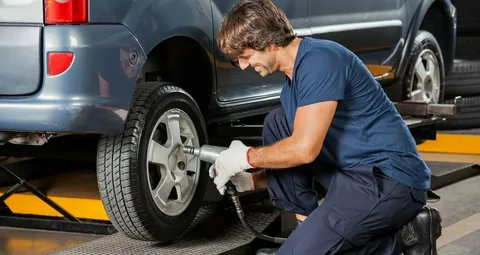
Finding a nail, screw, or another object in a tire can be concerning, but the presence of a puncture does not automatically mean the entire tire must be replaced.
The location and extent of the damage matter. A professional can examine the tire and determine whether the damage can be safely addressed.
Trying to remove an object and continue driving without checking the tire may allow air to escape or cause additional damage.
If the tire is losing pressure, the vehicle should be evaluated before continuing normal operation.
Know the Warning Signs of a Damaged Sidewall
Sidewall damage deserves particular attention because this area is important to the structure of the tire.
A visible bulge, deep cut, serious crack, or other unusual deformation should not be treated as a minor cosmetic issue.
The driver should avoid putting unnecessary pressure on a visibly damaged tire until its condition has been assessed.
If the damage affects the structural condition of the tire, replacement may be the appropriate solution rather than repair.
Watch for Changes in Handling
Drivers often notice vehicle changes before a problem becomes obvious during a workshop inspection.
A truck that suddenly pulls in one direction, develops a new vibration, or feels different while turning may require inspection.
These symptoms can have several possible causes. They may involve tires, wheels, suspension components, steering, or other systems.
That is why it is better to report the symptom accurately instead of assuming that the tire is automatically responsible.
The more specific the driver can be about when the problem occurs, the more useful the information may be during diagnosis.
Pay Attention to Repeated Air Loss
A tire that repeatedly loses air should be inspected.
Adding air may temporarily restore pressure, but it does not necessarily solve the reason the pressure is dropping.
Possible causes can include punctures, valve-related problems, damage, or other issues that require professional attention.
Keeping track of which tire is losing pressure and how often it happens can provide useful information for the repair process.
Understand When Wear Becomes a Replacement Concern
Every tire eventually reaches a point where continued use is no longer appropriate. The challenge is recognising that point before a failure occurs.
Operators should monitor tread condition rather than waiting for a tire to become completely worn.
Uneven wear should receive attention as well. If the tread is wearing abnormally, the underlying cause may need to be investigated before a new tire is installed.
Replacing the tire without addressing the reason for abnormal wear can result in the same problem returning.
Consider the Age and Service History
Mileage is not the only factor that matters when evaluating a tire. Service history can provide useful context.
A tire that has experienced repeated repairs, significant wear, or demanding operating conditions may need a closer inspection.
Keeping records of tire installation, repairs, rotations when applicable, and replacement dates can help fleet managers understand how individual tires have performed.
This information can support more organised maintenance planning.
Do Not Overlook Tire Damage After a Road Incident
A truck may encounter potholes, debris, curbs, construction areas, or other road hazards during normal operation.
Sometimes the damage is immediately visible. In other situations, the driver may only notice a new vibration or handling change.
After a significant road impact, it is sensible to pay closer attention to the tire and surrounding wheel area.
A professional inspection can help determine whether the impact caused damage that is not easily visible.
Repair Decisions Should Be Based on Safety
The main question should not be whether repairing a tire is cheaper than replacing it. The first question should be whether the tire is suitable for continued use.
If damage can be safely repaired, repair may be a practical option. If the tire’s structure or overall condition makes continued use unsuitable, replacement may be necessary.
This is why professional evaluation is valuable.
A qualified technician can examine the damage and consider the condition of the tire as a whole before recommending the next step.
When Replacement Can Be the Better Choice
Replacement may make more sense when a tire has severe damage, excessive wear, significant structural concerns, or other conditions that make repair inappropriate.
The replacement should match the vehicle’s requirements and intended operating conditions.
Commercial operators should avoid selecting a replacement based solely on availability or price. The tire needs to be appropriate for the truck, load, and typical working environment.
Keep the Entire Vehicle in Mind
A tire problem can sometimes be connected to another issue on the vehicle.
If tires repeatedly wear in an unusual pattern, or if a truck experiences recurring vibration, the underlying cause may require additional investigation.
This is where broader vehicle maintenance becomes relevant. A tire replacement may address the immediate concern while another issue continues to affect the vehicle.
Professional inspection can help determine whether the tire is the actual source of the problem or whether another component deserves attention.
What Drivers Should Report
When reporting a tire concern, drivers do not need to provide a technical diagnosis.
Simple observations are enough.
For example, a driver can report:
- “The tire looks lower than the others.”
- “I noticed a new vibration at highway speed.”
- “The same tire has needed air twice this week.”
- “There is a visible cut on the sidewall.”
- “The truck felt different after hitting a pothole.”
- “The tread looks more worn on one side.”
These details can give a technician a useful starting point.
Professional Support for Tire Concerns
When a tire problem is unclear, professional inspection can help prevent guesswork.
A technician can evaluate the condition of the tire and determine whether repair, replacement, or additional vehicle inspection is appropriate.
For commercial operators in San Angelo, TX, professional Tire Repair & Replacement Services provide a practical option when tires need attention before a vehicle returns to regular operation.
The goal is to keep the vehicle in suitable condition while avoiding repairs that are unnecessary or delaying repairs that are genuinely needed.
Reduce Unexpected Downtime
Planning tire maintenance can help businesses avoid dealing with every tire issue as an emergency.
Regular checks allow fleet managers to identify tires approaching replacement condition and schedule service at a convenient time.
This can be particularly useful for businesses with multiple trucks. If several vehicles require attention, planned service can be coordinated around routes and operational requirements.
A proactive approach gives the business more control over maintenance instead of forcing decisions after a sudden failure.
Make Tire Inspection Part of Your Routine
There is no need to wait until a tire becomes visibly damaged before paying attention to its condition.
Regular checks, driver feedback, service records, and professional inspections can work together to provide a clearer picture of tire health.
When a problem is identified early, operators have more opportunity to determine the safest and most practical solution.
For truck and trailer businesses in San Angelo, TX, consistent attention to tire condition can support reliable operation and help reduce unnecessary interruptions.
A tire is a small part of a much larger commercial vehicle, but its condition can directly affect how safely and reliably that vehicle performs. Treating tire inspection and maintenance as a routine responsibility can help keep your equipment ready for the road.
Section 5: Commercial Tire Maintenance Tips for San Angelo Fleets
Keeping commercial truck tires in good condition takes more than checking them when something goes wrong. Regular maintenance helps you spot small problems before they become expensive repairs, roadside breakdowns, or unsafe driving conditions. For trucks and trailers that travel long distances, carry heavy loads, or operate on demanding routes, tire care should be part of the normal maintenance routine.
San Angelo drivers and fleet operators may deal with a wide range of road and weather conditions. Heat, rough pavement, heavy loads, frequent stops, and long highway trips can all place additional stress on tires. A simple maintenance routine can help reduce unnecessary wear and keep vehicles ready for work.
Check Tire Pressure Regularly
Proper inflation is one of the easiest ways to protect commercial tires. A tire that is underinflated can create excessive heat as it rolls, while overinflation can reduce traction and make the tire more vulnerable to certain types of damage.
Do not rely only on how a tire looks. A tire can lose pressure without appearing noticeably flat. Use an accurate pressure gauge and check the tires according to the manufacturer’s recommended specifications.
Pressure checks are especially useful before longer trips. Drivers should also inspect tires after a vehicle has been parked for an extended period or after a significant change in operating conditions.
If a tire repeatedly loses air, do not simply keep adding air and continue driving. Repeated pressure loss can indicate a puncture, valve problem, wheel issue, or other underlying concern that needs attention.
Inspect Tread Wear
Tread condition provides useful information about how a commercial vehicle is being operated and maintained. Tires should be inspected for uneven wear, bald areas, cuts, cracks, and other visible damage.
Uneven tread wear may indicate more than an aging tire. Alignment problems, suspension issues, incorrect inflation, excessive loading, or mechanical problems can all affect how the tread wears.
Pay attention to differences between tires on the same axle. If one tire looks significantly different from the others, it is worth investigating why. Replacing the tire without addressing the underlying problem may only lead to another premature failure.
Watch for Sidewall Damage
The sidewall deserves just as much attention as the tread. Drivers should look for cuts, bulges, cracking, abrasions, and other unusual changes.
Sidewall damage can develop after contact with curbs, debris, potholes, loading areas, or other obstacles. Some damage may be easy to see, while other problems become more noticeable as the tire is inspected closely.
A bulge or significant structural damage should never be ignored. Continuing to operate a vehicle with a seriously damaged tire can create unnecessary safety risks.
When a driver notices something unusual, the safest approach is to have the tire professionally inspected before deciding whether it can remain in service.
Rotate Tires When Appropriate
Tire rotation can help promote more even wear when it is appropriate for the vehicle, tire type, and manufacturer’s recommendations. Commercial vehicles can place different amounts of stress on different tires depending on axle position, load distribution, and driving conditions.
The goal is not simply to move tires around on a schedule. A qualified technician should consider the vehicle’s configuration and tire condition when determining whether rotation is appropriate.
Regular inspections during maintenance visits also make it easier to identify developing wear patterns. If one position consistently causes faster wear, the problem may need more attention than rotation alone can provide.
Keep Loads Within Recommended Limits
Heavy commercial vehicles naturally place substantial pressure on their tires. When a vehicle is loaded beyond its recommended capacity, the tires may experience additional stress and heat.
Load distribution matters as well. A properly maintained tire can still experience excessive stress when weight is distributed unevenly across the vehicle.
Drivers and fleet managers should follow the vehicle manufacturer’s load recommendations and make sure cargo is secured and distributed correctly.
Good loading practices can help reduce unnecessary tire wear and support more predictable handling on the road.
Pay Attention to Alignment and Suspension
Tires do not work independently from the rest of the vehicle. Alignment and suspension components can directly affect how tires contact the road.
If the steering feels unusual, the vehicle pulls to one side, or tread wear develops on one edge, have the vehicle inspected. These symptoms may point toward an alignment or mechanical issue.
Ignoring the cause can result in repeated tire problems. A new tire may temporarily improve the situation, but the same wear pattern can return if the underlying mechanical problem remains unresolved.
Regular vehicle maintenance is therefore closely connected to tire maintenance. Fleet operators who already schedule routine inspections can use those visits to monitor both tire condition and related components.
Inspect Tires After Rough Road Conditions
Commercial drivers cannot always avoid potholes, road debris, uneven pavement, and other hazards. When a vehicle encounters a strong impact, it is worth checking the tires afterward.
A tire may appear normal immediately after hitting a pothole but develop a problem later. Drivers should look for changes in pressure, visible damage, vibration, steering changes, or unusual handling.
If the impact was severe, a professional inspection can provide greater confidence that the tire and related components remain safe to use.
For vehicles operating in areas with frequent road hazards, teaching drivers what to look for after an impact can become an effective part of fleet maintenance.
Do Not Ignore Vibration or Handling Changes
Drivers spend many hours behind the wheel and are often the first people to notice when something feels different.
New vibration, pulling, shaking, unusual steering response, or changes in ride quality should be reported rather than ignored. These symptoms may be connected to tires, wheels, alignment, suspension, or other mechanical components.
A small handling change may seem unimportant during a short trip, but it can become more noticeable as the vehicle continues to operate.
Driver feedback is therefore an important part of preventive maintenance. Encourage drivers to report unusual behavior as soon as they notice it.
Keep Spare Tires and Emergency Plans Ready
Even with good maintenance, unexpected tire damage can happen. Commercial fleets should have a plan for dealing with tire problems when they occur away from the shop.
Drivers should know who to contact, what information to provide, and where the vehicle is located if assistance is required. Fleets may also benefit from keeping appropriate spare equipment available when practical.
For vehicles that travel long distances, having access to Roadside Emergency Assistance Services can make an unexpected tire problem easier to manage.
A clear emergency plan can reduce confusion and help limit downtime when a vehicle cannot safely continue its trip.
Create a Simple Tire Inspection Routine
A maintenance routine does not have to be complicated. A basic inspection can include:
- Checking tire pressure
- Looking for visible cuts or cracks
- Inspecting tread condition
- Checking for unusual bulges
- Looking for uneven wear
- Checking for repeated air loss
- Noticing unusual vibration or handling
- Inspecting tires after major road impacts
- Recording tire-related problems
- Reporting concerns before starting long trips
Keeping records can also help fleet managers identify patterns. If the same vehicle repeatedly experiences tire problems, the records may reveal a connection between mileage, load, tire position, operating conditions, or mechanical issues.
Replace Damaged Tires Before They Become a Bigger Problem
Waiting until a tire completely fails can turn a manageable maintenance issue into a roadside emergency. A damaged or badly worn tire can affect vehicle operation and potentially create additional problems.
That does not mean every small tire issue automatically requires replacement. The correct decision depends on the location and severity of the damage, tread condition, tire age, service history, and manufacturer’s recommendations.
Professional inspection gives fleet operators a better basis for making that decision. It also helps prevent drivers from taking unnecessary risks with questionable tires.
Make Tire Care Part of Fleet Maintenance
Tire maintenance works best when it is treated as part of the vehicle’s overall service plan rather than a separate task. Regular inspections can be coordinated with other maintenance activities, making it easier to identify problems before they interrupt a vehicle’s schedule.
For businesses operating multiple trucks or trailers, consistency matters. Every vehicle should have its tires inspected according to an organized routine, and drivers should understand which warning signs need immediate attention.
A proactive approach can help reduce unexpected downtime, improve vehicle readiness, and make maintenance costs more predictable.
For San Angelo commercial operators, dependable tires are essential for keeping trucks moving safely and efficiently. By monitoring pressure, tread, sidewalls, load conditions, alignment, and handling changes, you can identify many concerns before they develop into serious problems. A consistent inspection routine also gives drivers and fleet managers greater confidence that vehicles are ready for the road.
Section 6: Managing Tire Problems for Commercial Fleets
Tire problems are a normal part of operating commercial trucks and trailers, but that does not mean they should be treated as unavoidable disruptions. The way a fleet responds to tire concerns can make a major difference in safety, downtime, repair costs, and overall vehicle reliability.
For businesses in San Angelo, a truck may spend long hours traveling between job sites, delivering materials, transporting equipment, or covering highway routes. When a tire develops a problem, even a relatively small issue can interrupt the vehicle’s schedule. A driver may need to stop unexpectedly, cargo may arrive late, and another vehicle may need to be arranged.
A good tire management strategy focuses on identifying problems early and responding appropriately. Instead of waiting for a tire to fail completely, drivers and fleet managers can use regular inspections, maintenance records, and professional evaluations to stay ahead of developing issues.
Understand the Difference Between Minor and Serious Problems
Not every tire issue requires the same response. A small amount of tread wear is very different from a damaged sidewall or a tire that is rapidly losing air.
Drivers should learn to recognize the difference between normal wear and warning signs that require immediate attention.
Some concerns may include:
- Gradual tread wear
- Uneven tread patterns
- Small punctures
- Repeated pressure loss
- Visible cuts
- Sidewall cracking
- Bulges or unusual shapes
- Excessive vibration
- Steering changes
- Damage following a road impact
The severity and location of the damage determine what should happen next. When there is uncertainty, having the tire inspected by a qualified professional is safer than making assumptions.
Encourage Drivers to Report Problems
Drivers are one of the most valuable sources of information about vehicle condition. They spend hours operating the truck and can often notice changes that may not be obvious during a quick visual inspection.
A driver might notice that the vehicle is pulling slightly, that steering feels different, or that there is an unfamiliar vibration. These details can provide an early warning that something needs attention.
Fleet managers should encourage drivers to report concerns without waiting for the problem to become severe.
A simple reporting process can include the vehicle number, location, type of problem, tire position, and any changes noticed while driving. This information helps technicians understand what happened before the vehicle arrives for inspection.
Keep Maintenance Records
Good records make tire management much easier.
A fleet manager can record tire installation dates, inspections, repairs, replacements, mileage, pressure concerns, and unusual wear patterns. Over time, this information can reveal recurring problems.
For example, if tires on one vehicle consistently wear faster than expected, there may be an issue involving alignment, suspension, load distribution, driving habits, or another mechanical component.
Records can also help determine whether a tire is approaching the end of its useful service life. Rather than relying on memory, fleet operators can use documented maintenance information when making replacement decisions.
Pay Attention to Repeated Tire Failures
A single tire failure may be caused by an unexpected road hazard. Repeated failures on the same vehicle deserve closer attention.
If a truck repeatedly experiences punctures, uneven wear, pressure loss, or premature tire damage, replacing tires again and again may not solve the real problem.
The vehicle should be inspected to determine whether another factor is contributing to the damage.
Possible causes can include:
- Incorrect tire pressure
- Alignment problems
- Suspension concerns
- Wheel issues
- Improper loading
- Frequent exposure to rough surfaces
- Aggressive driving
- Mechanical problems
- Incorrect tire selection
Finding the underlying cause can help prevent the same problem from returning.
Consider the Operating Environment
Commercial tires experience different levels of stress depending on how and where a vehicle operates.
A truck that spends most of its time on highways may experience different wear patterns from one that regularly travels through construction areas, industrial properties, rural roads, or city streets.
Frequent stops and starts can also affect tire wear. Heavy loads can increase stress, while rough surfaces can increase the possibility of impact damage.
Understanding the vehicle’s normal operating environment can help fleet managers choose appropriate maintenance intervals and pay closer attention to the problems most likely to occur.
Do Not Ignore Seasonal Conditions
Weather conditions can influence tire performance and vehicle operation. In San Angelo, periods of high heat can place additional thermal stress on tires, particularly when vehicles are heavily loaded or traveling for extended periods.
Before long trips during demanding weather conditions, drivers should make time for basic inspections.
Pressure should be checked according to the appropriate specifications, and tires should be examined for visible damage. Any existing concern should be addressed before the vehicle begins a lengthy route.
Seasonal checks do not replace regular maintenance, but they can provide another opportunity to identify developing problems.
Train Drivers on Basic Tire Checks
A professional technician should handle repairs and detailed inspections, but drivers can perform basic checks as part of their daily routine.
Training should focus on simple observations rather than complicated mechanical procedures.
Drivers can learn how to:
- Check tire pressure correctly
- Recognize visible tread damage
- Identify sidewall problems
- Notice unusual vibration
- Report handling changes
- Look for obvious objects lodged in a tire
- Inspect tires after significant impacts
- Report repeated pressure loss
The goal is not to turn every driver into a tire technician. The goal is to make sure potential problems are noticed and reported early.
Avoid Continuing to Drive on a Questionable Tire
One of the biggest mistakes a driver can make is assuming that a tire will be fine for “just a few more miles” when there are clear warning signs.
If a tire is severely damaged, rapidly losing pressure, or showing signs of structural failure, continuing to drive may increase the risk of a more serious incident.
When a tire problem develops on the road, the driver should follow the company’s safety procedures and seek appropriate assistance rather than taking unnecessary chances.
Protecting the driver, cargo, vehicle, and other road users should come before maintaining a delivery schedule.
Plan for Unexpected Downtime
No maintenance program can eliminate every tire problem. Road debris, punctures, impact damage, and other unexpected events can still happen.
Fleet managers should therefore have a plan for what happens when a vehicle cannot safely continue.
The plan may include:
- A designated contact person
- Emergency service information
- Vehicle identification details
- Driver location information
- Communication procedures
- Backup transportation arrangements
- Documentation requirements
Having these details ready can reduce confusion during a stressful roadside situation.
A prepared fleet can respond more efficiently when an unexpected problem occurs.
Consider the Cost of Delayed Maintenance
Delaying a tire inspection may appear to save money in the short term, but the eventual cost can be much higher.
A small problem may develop into a larger repair. A worn tire may cause additional damage if it fails while the vehicle is moving. An unexpected breakdown can also result in missed deliveries, driver delays, towing expenses, and lost working hours.
Preventive maintenance is therefore not simply an expense. It is a way to protect the vehicle’s operating time and reduce avoidable disruptions.
Fleet operators should look at maintenance costs alongside downtime and repair risks rather than considering each tire expense separately.
Inspect New Tires After Installation
Installing a new tire is not necessarily the final step in the maintenance process.
After installation, the tire should be properly inflated and checked to ensure everything is correctly fitted. The surrounding wheel and components should also be examined as appropriate.
Drivers should pay attention to the vehicle’s behavior after new tires are installed. If unusual vibration, pulling, or other handling changes appear, the issue should be reported.
A new tire should provide confidence, but that confidence comes from proper installation and continued monitoring.
Make Communication Part of Tire Management
Strong communication between drivers, fleet managers, and technicians can prevent small concerns from being overlooked.
A driver may describe a vibration differently from a technician, but the information can still be useful. Asking specific questions can help clarify when the problem started, whether it happens at a particular speed, and whether the vehicle was recently loaded or involved in a road impact.
Clear communication makes inspections more efficient and gives technicians better information to work with.
Build a Consistent Maintenance Culture
Effective tire management is less about one major inspection and more about consistency.
When drivers inspect their vehicles, managers review maintenance records, and technicians address problems promptly, tire concerns are less likely to remain unnoticed.
A consistent routine also makes it easier to identify changes. A tire that looks normal today may show a different wear pattern several weeks later. Regular monitoring creates a history that can help explain those changes.
Protect Vehicle Reliability With Preventive Care
Commercial vehicles depend on every major component working together. Tires are directly connected to road contact, braking, steering, handling, and overall vehicle operation.
Keeping them properly maintained can help support reliable transportation and reduce avoidable interruptions.
For San Angelo businesses that depend on trucks and trailers every day, a proactive approach can make tire management more predictable. Drivers who know what to inspect, managers who maintain accurate records, and technicians who investigate recurring problems can work together to keep vehicles operating safely.
The best time to address a developing tire problem is before it becomes a roadside emergency. Regular inspections, timely reporting, proper maintenance, and professional evaluation provide a practical way to protect commercial vehicles and keep important work moving.
Section 7: How Professional Tire Service Helps Keep Commercial Vehicles Moving
Commercial trucks and trailers are built to handle demanding work, but even the strongest vehicle can become unreliable when tire problems are overlooked. Tires carry the vehicle’s weight, maintain contact with the road, and play a major role in steering, braking, and overall handling. Because of this, tire concerns deserve professional attention when they go beyond a basic visual inspection.
For businesses in San Angelo, keeping commercial vehicles available for work can be just as important as keeping them mechanically sound. A truck that sits out of service because of a preventable tire problem can affect deliveries, appointments, schedules, and customer commitments.
Professional tire service provides a practical way to identify problems, evaluate damage, and determine the most appropriate solution.
Professional Inspection Goes Beyond a Quick Visual Check
A driver can identify many obvious warning signs, but a professional inspection can provide a more detailed evaluation.
Technicians can examine the tread, sidewalls, inflation condition, and overall appearance of the tire while also considering how the vehicle is being used.
A professional may also look for patterns that are difficult for an inexperienced driver to recognize. Uneven wear, repeated pressure loss, or damage in a specific area may indicate a larger issue that needs attention.
This type of inspection is particularly useful when a tire does not look severely damaged but the driver has noticed vibration, handling changes, or other unusual behavior.
Repair Decisions Should Be Based on Tire Condition
One of the most important advantages of professional service is getting an informed opinion about whether a damaged tire should be repaired or replaced.
A puncture, for example, does not automatically mean the tire needs to be discarded. The location and severity of the damage, the condition of the surrounding rubber, and the tire’s overall service history can all affect the decision.
On the other hand, some types of damage may make continued use inappropriate.
Instead of guessing, fleet operators can have the tire evaluated and make a decision based on its actual condition and applicable safety recommendations.
Proper Equipment Matters
Commercial truck and trailer tires are different from many passenger-car tires. Their size, construction, weight, and operating demands can require appropriate equipment and experience.
Professional service providers have access to equipment designed to handle commercial applications. Proper equipment can make inspection, removal, installation, and related work more controlled and efficient.
This is especially important when dealing with larger commercial vehicles where tire work can involve significant weight and physical force.
Using the right equipment also helps technicians work more efficiently, reducing unnecessary delays for the vehicle and driver.
Professional Service Can Help Identify Related Problems
A tire problem is not always caused by the tire itself.
For example, unusual tread wear may be connected to alignment or suspension issues. Repeated damage may be related to road conditions, loading practices, or another mechanical concern.
A professional inspection can help identify when a tire issue may be connected to something else on the vehicle.
This broader approach is useful because replacing a damaged tire without addressing the cause may result in the replacement tire developing similar problems.
Tire Service Should Consider the Entire Vehicle
Commercial vehicles operate as complete systems. Tires, wheels, suspension, steering, brakes, and other components all affect how the vehicle behaves on the road.
When a driver reports pulling, vibration, shaking, or unusual handling, the technician should consider the complete situation rather than automatically blaming the tire.
This approach can help identify the actual source of the problem and prevent unnecessary parts replacement.
It also gives fleet managers a better understanding of what their vehicles need to remain dependable.
Reduce Unnecessary Roadside Interruptions
A tire failure during a delivery or service call can create significant inconvenience. The driver may have to stop in an unsafe location, wait for assistance, and potentially reschedule the day’s work.
Preventive inspections cannot eliminate every unexpected failure, but they can help identify some problems before the vehicle leaves the shop.
Addressing worn tread, damaged sidewalls, repeated air loss, and other warning signs early may reduce the chance of a more serious interruption later.
For businesses that depend on tight schedules, preventing avoidable downtime can have a meaningful impact on daily operations.
Professional Service Helps Fleet Managers Plan Ahead
Fleet operators often manage multiple vehicles with different mileage, loads, routes, and maintenance histories. Keeping track of tire condition across an entire fleet can become difficult without organized inspections.
Professional service can provide useful information about which tires need immediate attention and which vehicles should be monitored more closely.
This allows managers to plan maintenance rather than reacting only when a failure occurs.
Planned maintenance can also make expenses more predictable. Instead of dealing with repeated emergency problems, a business can address known concerns during scheduled service whenever possible.
Pay Attention to Tire Age and Service History
Mileage is not the only factor that determines tire condition. Age, previous repairs, operating environment, storage conditions, and maintenance history can also matter.
A tire that has not traveled an unusually high number of miles may still require careful inspection if it has been in service for a long period or has experienced harsh conditions.
Keeping service records gives technicians useful background information. It also helps fleet managers understand how long tires are lasting and whether particular vehicles are experiencing unusually high wear.
Commercial Tires Need the Right Maintenance Routine
There is no single maintenance schedule that works identically for every truck or trailer. Different vehicles perform different jobs and operate under different conditions.
A local delivery vehicle may experience frequent stops and starts, while a highway truck may accumulate significant mileage during long trips. Construction and service vehicles may encounter rough surfaces more frequently.
Maintenance routines should therefore consider how the vehicle is actually being used.
Regular pressure checks, tread inspections, visual examinations, and professional evaluations can form the foundation of a practical tire maintenance program.
Know When Emergency Help Is Needed
Some tire problems happen away from the shop despite careful maintenance. A puncture, road hazard, or sudden failure can leave a commercial vehicle unable to continue safely.
In such situations, drivers should follow their company’s emergency procedures and avoid attempting unsafe roadside repairs.
Professional assistance can help determine the safest way to handle the disabled vehicle and get the situation under control.
Having a reliable plan before an emergency occurs can save valuable time when every minute matters.
Choose Service Based on Commercial Experience
Commercial tire work requires an understanding of how trucks and trailers operate under heavy loads and demanding conditions.
When selecting a service provider, fleet operators should consider experience with commercial vehicles, availability, equipment, response capability, and the provider’s ability to handle the type of vehicle being serviced.
A provider that understands commercial operations can better appreciate the importance of minimizing unnecessary downtime while still putting safety first.
Make Preventive Service a Regular Priority
Waiting until a tire becomes completely unusable is rarely the best maintenance strategy. Regular inspections give fleet operators opportunities to identify developing concerns earlier.
A simple maintenance cycle can include:
- Routine pressure checks
- Visual inspections
- Tread monitoring
- Sidewall inspections
- Review of unusual wear
- Documentation of repairs
- Monitoring of tire age and mileage
- Professional inspection when concerns arise
These steps do not need to be complicated. What matters most is consistency.
Keep Your Commercial Fleet Ready for Work
Reliable transportation is essential for businesses that depend on commercial trucks and trailers. Whether a vehicle is delivering materials, transporting equipment, supporting field operations, or serving customers throughout San Angelo, unexpected downtime can create problems far beyond the tire itself.
Professional Fleet Maintenance & Repair Services can support a broader maintenance strategy by helping businesses address vehicle concerns before they develop into larger operational disruptions.
Tire care should be treated as an ongoing part of commercial vehicle maintenance. When inspections are performed regularly, warning signs are taken seriously, and damaged tires are evaluated promptly, fleet operators can make better decisions about repairs and replacements.
A proactive approach also gives drivers greater confidence behind the wheel. Instead of wondering whether a tire problem will become worse during the next trip, they can rely on a maintenance system designed to identify and address concerns before they interfere with daily operations.
For commercial operators in San Angelo, professional tire care is ultimately about more than the tires themselves. It is about protecting vehicle reliability, reducing unnecessary downtime, supporting safer operation, and keeping the business moving when customers and schedules depend on it.
Choosing Reliable Commercial Tire Service in San Angelo, TX
Choosing the right service provider for commercial tire work can have a direct effect on your fleet’s reliability. Trucks and trailers often operate under demanding conditions, carry heavy loads, and travel long distances. When a tire problem develops, you need a service provider that understands the urgency without compromising safety.
For businesses in San Angelo, the right maintenance partner should offer practical solutions, clear communication, and experience with commercial vehicles. Whether you operate one truck or manage a larger fleet, having dependable support can make routine maintenance easier and unexpected problems less stressful.
Look for Experience With Commercial Vehicles
Commercial trucks and trailers have different requirements from passenger vehicles. Their tires are exposed to heavier loads, longer operating hours, and different road conditions.
When choosing a service provider, consider whether the technicians regularly work with commercial trucks, trailers, and fleet vehicles. Familiarity with these vehicles can help technicians understand common wear patterns and the challenges faced by commercial drivers.
Experience also matters when a problem is not immediately obvious. A technician who regularly works on commercial vehicles may be better positioned to investigate unusual wear, vibration, repeated pressure loss, or other concerns.
Consider the Range of Services Available
A commercial vehicle may experience more than one problem at a time. A tire issue could sometimes be connected to another mechanical concern, while a roadside incident may require additional attention after the vehicle is recovered.
Working with a provider that understands broader truck and trailer maintenance can make the process more convenient. Instead of treating every issue as an isolated problem, the condition of the vehicle can be considered as a whole.
This can also help fleet managers maintain better records and coordinate service more efficiently.
Ask About Availability
Commercial vehicles do not always experience problems during convenient business hours. A tire can fail during an early-morning delivery, an evening route, or a long-distance trip.
Before choosing a service provider, ask about service availability and how emergency situations are handled.
Knowing who to contact when a vehicle becomes disabled can save time during an already stressful situation. Fleet managers should keep important contact information easily accessible to drivers.
Pay Attention to Communication
Good communication is often overlooked when choosing a maintenance provider.
A reliable service provider should be able to explain what was found, what needs attention, and what options are available. You should not have to guess what happened to the vehicle or why a particular repair is being recommended.
Clear communication is especially useful when a repair decision involves safety considerations. Fleet managers need enough information to make informed decisions about whether a vehicle should remain in service.
Ask Questions About Tire Condition
When a technician recommends repairing or replacing a tire, do not hesitate to ask questions.
Useful questions may include:
- What caused the problem?
- Is the damage repairable?
- How serious is the damage?
- Is continued use safe?
- Is another vehicle component contributing to the problem?
- What should be monitored after the repair?
- Does the vehicle need additional inspection?
Understanding the reason behind a recommendation can help you make better maintenance decisions and recognize similar warning signs in the future.
Keep Maintenance Scheduled
Regular maintenance is easier to manage when it is planned instead of handled only after a failure.
Fleet managers can establish inspection intervals based on vehicle use, mileage, operating conditions, and manufacturer recommendations. Drivers can then report concerns between scheduled visits.
This approach gives businesses a better chance of catching developing problems before they become major disruptions.
A maintenance schedule should also be flexible enough to respond to unusual conditions. A vehicle involved in a severe road impact or showing a sudden handling change may need inspection sooner than originally planned.
Do Not Choose a Provider Based Only on Price
Cost is naturally part of any business decision, but the cheapest option is not always the most economical over time.
A low-cost service that does not properly address the cause of a tire problem may result in repeated repairs, premature wear, or additional downtime.
Instead of looking only at the immediate price, consider the overall value of the service. Experience, workmanship, response time, communication, and the ability to identify related problems can all affect the long-term cost of maintaining a commercial vehicle.
Keep Drivers Involved
Drivers should have a role in the maintenance process. They are often the first people to notice changes in vehicle performance.
Encourage drivers to report:
- New vibrations
- Steering changes
- Unusual tire noise
- Visible tire damage
- Repeated pressure loss
- Uneven wear
- Problems following road impacts
A driver who knows that reports will be taken seriously is more likely to communicate concerns early.
This creates a stronger maintenance culture throughout the fleet.
Know When a Tire Needs Immediate Attention
Some problems should not be postponed until the next routine service appointment.
A severely damaged sidewall, major air loss, significant bulge, exposed structural material, or serious handling change can require immediate attention.
The safest response depends on the specific situation, but drivers should avoid taking unnecessary risks simply to finish a trip.
If a vehicle cannot safely continue, getting appropriate professional assistance is more important than protecting a delivery schedule.
Maintain a Record for Every Vehicle
A good fleet maintenance record can tell you much more than when a tire was replaced.
Over time, records can show:
- Which vehicles experience the most tire problems
- How frequently tires require attention
- Which positions experience unusual wear
- Whether particular routes create repeated problems
- How long tires remain in service
- Whether certain vehicles require additional inspections
This information can help fleet managers make more informed maintenance decisions.
It can also help identify recurring problems that might otherwise be treated as unrelated incidents.
Think About Long-Term Fleet Reliability
Tire maintenance should not be viewed as a one-time task. It is part of keeping the entire vehicle dependable.
A well-maintained truck is more likely to remain ready for scheduled work, while a vehicle with neglected tire concerns can become a source of unexpected downtime.
Businesses that depend on transportation should consider maintenance an ongoing investment in their operations.
The objective is not simply to keep a tire on the vehicle for as long as possible. The objective is to maintain safe, reliable equipment that can perform its intended job.
Work With a Service Provider You Can Trust
Once you find a provider that understands your vehicles and communicates clearly, maintaining consistency can become much easier.
Instead of searching for help every time a problem appears, you can develop an ongoing service relationship. The provider becomes more familiar with your vehicles, maintenance history, operating conditions, and common concerns.
That familiarity can make future inspections and repairs more efficient.
For businesses with multiple trucks and trailers, a dependable service relationship can also simplify communication between drivers, fleet managers, and technicians.
Keep Safety at the Center of Every Decision
Commercial schedules can be demanding, but safety should remain the priority when dealing with tire problems.
A delayed delivery can be rescheduled. A preventable accident or major vehicle failure can create consequences that are much more difficult to manage.
Drivers should never feel pressured to continue operating a vehicle when there is a serious concern about its condition.
Professional evaluation can help determine the appropriate next step and provide greater confidence that the vehicle is ready to return to service.
Reliable Tire Care Supports Reliable Business Operations
For San Angelo businesses, trucks and trailers are often essential to everyday operations. When vehicles are maintained properly, drivers can spend less time dealing with unexpected problems and more time completing their assigned work.
Choosing an experienced commercial service provider, maintaining regular inspections, keeping accurate records, and responding quickly to warning signs can all contribute to better fleet reliability.
The right approach also means knowing when professional attention is needed. A tire concern should never be ignored simply because the vehicle still appears capable of moving.
Consistent maintenance gives fleet managers a clearer picture of vehicle condition and helps reduce surprises.
Keep Your Trucks and Trailers Road-Ready
Reliable commercial transportation begins with proper maintenance. Tires may seem like a relatively small part of a large truck or trailer, but their condition can affect many aspects of vehicle operation.
By choosing experienced service professionals and making inspections part of your regular routine, you can take a proactive approach to commercial vehicle care.
For San Angelo fleet operators, that means fewer avoidable surprises, better maintenance planning, and greater confidence when vehicles head out for their next job.
The goal is simple: keep commercial vehicles dependable, keep drivers informed, and address tire concerns before they become larger problems.
FAQs
When should a commercial truck tire be replaced?
A tire may need replacement when it has severe tread wear, significant sidewall damage, structural problems, repeated air loss, or other damage that makes continued use unsafe. A professional inspection can help determine the appropriate option.
Can a punctured commercial tire be repaired?
Some punctures may be repairable, depending on their location, size, and the overall condition of the tire. Damage in certain areas or damage that affects the tire’s structure may require replacement instead.
How often should commercial truck tires be inspected?
Commercial tires should be checked regularly as part of routine vehicle maintenance. Drivers should also inspect them before trips and report unusual wear, pressure loss, vibration, or visible damage.
What causes uneven tire wear on commercial vehicles?
Uneven wear can result from incorrect tire pressure, alignment problems, suspension issues, improper loading, wheel problems, or operating conditions. Identifying the underlying cause can help prevent the problem from returning.
Why does my truck tire keep losing air?
Repeated air loss may be caused by a puncture, damaged valve, wheel-related issue, or another problem. Continuing to refill the tire without finding the cause can create additional safety concerns.
What should I do if a tire fails while driving?
If a tire develops a serious problem, slow down safely, move to an appropriate location when possible, and follow your company’s emergency procedures. Avoid continuing to drive on a severely damaged tire.
How can I reduce unexpected tire problems?
Regular pressure checks, tread inspections, proper loading, timely maintenance, and professional inspections can help identify developing problems before they become major failures.
Do commercial tires need different maintenance than passenger tires?
Yes. Commercial tires often operate under heavier loads and for longer periods, so their maintenance needs can be different. The vehicle’s operating conditions and manufacturer’s recommendations should be considered.
Why is professional tire inspection important?
Professional inspection can identify damage and wear that may no