A heavy-duty truck can develop a problem without giving you an obvious explanation of what has gone wrong. You may see a warning light, notice a change in performance, or hear something unusual while the vehicle is operating. In some cases, the truck may continue running even though one of its electronic systems has detected a fault that needs attention.
Finding the actual cause is the first step toward choosing the right repair. This is where computerized truck diagnostics can become useful. Modern commercial vehicles contain electronic control systems that monitor different functions and record information when certain conditions occur. A technician can review this information to understand what the vehicle is reporting and decide where further inspection should begin.
For truck owners and fleet operators, this approach can make troubleshooting more organized. Instead of relying only on a visible symptom, the repair team can consider electronic information together with physical inspection, driver observations, and the vehicle’s service history.
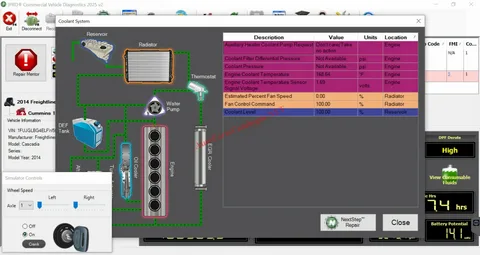
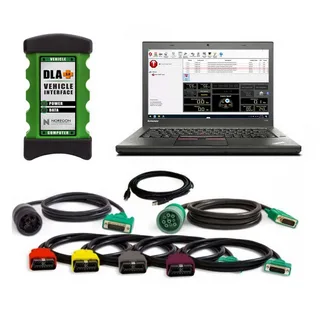
At Alfred’s Diesel and Trailer Repair, JPRO Tool Computerized Diagnostics can be part of this diagnostic process for supported heavy-duty vehicles. The purpose is to provide useful information that can help technicians investigate reported problems and determine what needs closer attention.
Understanding What a Diagnostic Tool Actually Does
A computerized diagnostic tool does not physically repair a truck. Its role is to help technicians access and review information from the vehicle’s electronic systems.
When a truck detects certain faults or abnormal conditions, information may be stored within its electronic systems. Diagnostic equipment can allow a technician to review available information and identify areas that may require further investigation.
This can be particularly helpful when the source of a problem is not immediately visible.
For example, a driver may report that a warning light appeared during a trip. A technician can review the available diagnostic information and then compare it with the driver’s description. The technician may inspect relevant components and determine whether additional testing is required.
The diagnostic result should be treated as information rather than an automatic instruction to replace a particular part.
A fault code can point toward an area that needs investigation, but the actual cause may require additional testing. A damaged connection, wiring problem, sensor issue, component failure, or another condition can sometimes be involved.
That is why professional interpretation remains an important part of computerized troubleshooting.
Why Finding the Cause Matters Before Repair
Replacing parts without understanding the problem can create unnecessary work. If the replaced component was not responsible for the original issue, the truck may continue to experience the same symptoms.
A proper diagnostic process gives the technician an opportunity to investigate before deciding what repair is appropriate.
The process can include:
- Listening to the driver’s description of the problem
- Checking warning indicators
- Reviewing available electronic information
- Inspecting the vehicle physically
- Examining related components
- Considering previous repairs
- Performing additional testing when required
- Verifying the vehicle after repair
The exact process depends on the vehicle and the nature of the reported problem.
For a commercial truck, this type of structured investigation can be especially useful because the vehicle may be an important part of daily business operations. Understanding the problem can help the repair team focus on the area that actually requires attention.
Common Signs That May Lead to Diagnostic Testing
Truck problems can appear in different ways. Sometimes the warning is obvious, while other times the driver simply notices that something does not feel or operate as it normally should.
Some situations that may lead to computerized troubleshooting include:
- Dashboard warning indicators
- Electronic fault messages
- Recurring vehicle warnings
- Unexpected changes in operation
- Performance concerns
- Intermittent electronic problems
- Faults that are difficult to identify visually
- Problems that return after previous repair work
Not every warning means that a major repair is required. The purpose of the diagnostic process is to investigate the condition and determine what the available information means for that specific vehicle.
If the truck is showing a warning but appears to be operating normally, it can still be useful to have the issue professionally assessed rather than assuming that the warning can be ignored.
Combining Electronic Information With Physical Inspection
Computerized information is most useful when it is combined with hands-on inspection.
A technician may find that the vehicle has recorded a fault involving a particular system. The next step can be to inspect the components associated with that system and look for physical evidence that could explain the reported condition.
This might include checking connections, wiring, sensors, components, or other related areas depending on the vehicle and fault.
The technician can then compare the physical findings with the electronic information.
This combination helps avoid treating a diagnostic code as the entire diagnosis.
For example, if the vehicle reports an electronic fault, the technician may need to determine whether the issue is caused by a component itself or by something affecting that component. Without further investigation, it may be difficult to know which repair is actually necessary.
The goal is to move from a reported fault toward a confirmed understanding of the vehicle’s condition.
How Diagnostics Can Support Different Truck Repairs
A computerized diagnostic investigation may eventually lead to different types of repair work. The diagnostic information can help identify an area that requires closer attention, while physical inspection determines what service is actually needed.
For example, a truck with an electronically monitored braking concern may require Brake Repair & Service after the relevant components have been inspected and the issue has been confirmed.
Similarly, an issue involving electronically controlled vehicle functions may lead technicians toward the truck’s electrical components. The repair requirement depends on the findings rather than the diagnostic message alone.
This connection between diagnosis and repair is important because the same general symptom can sometimes have different causes.
A warning light does not necessarily mean the same component has failed on every vehicle. The technician needs to consider the specific truck, its symptoms, and the available information.
The Value of Diagnostics for Fleet Operators
Fleet operators have additional reasons to maintain an organized approach to truck troubleshooting.
A company may depend on multiple commercial vehicles every day. When one truck develops a recurring problem, the fleet manager needs to understand what happened, what was previously repaired, and whether the same issue has appeared before.
Regular Fleet Maintenance & Repair Services can help businesses manage their wider vehicle maintenance requirements while keeping repair concerns on the radar.
Maintenance records can provide useful background when a truck returns for service.
Records may include:
- Previous service dates
- Reported vehicle symptoms
- Repairs already completed
- Components replaced
- Previous diagnostic findings
- Recurring warnings
- Driver observations
When these details are available, the technician has more context when investigating a current problem.
This can be particularly useful for faults that appear intermittently or return after an earlier repair.
Why Recurring Problems Need Proper Investigation
A recurring warning can be frustrating for both drivers and fleet managers.
If a warning disappears and then returns later, it may be tempting to treat it as a temporary issue. However, repeated symptoms can provide useful information about the vehicle’s condition.
When a truck returns with the same concern, technicians can compare the current information with previous findings.
The purpose is not simply to clear the warning again. The goal is to understand why it keeps appearing and determine whether additional inspection is required.
Computerized diagnostic information can contribute to that investigation by providing current information about the vehicle’s electronic systems.
The technician can then combine those findings with physical inspection and maintenance history.
What Drivers Should Tell the Repair Technician
The driver is often the first person to notice a vehicle problem. Clear communication can therefore make the diagnostic process more useful.
When bringing your truck for inspection, explain exactly what happened instead of trying to identify the failed part yourself.
Useful information includes:
- When the problem first appeared
- What the truck was doing at the time
- Whether a warning light appeared
- Whether the warning stayed on or disappeared
- Whether the problem happens repeatedly
- Whether vehicle performance changed
- Whether recent repair work was performed
- Whether the same issue occurred previously
Even a small detail can help establish the circumstances surrounding the problem.
For example, a fault that appears only under particular operating conditions may require a different troubleshooting approach from one that occurs continuously.
When a Problem Happens Away From the Shop
Commercial trucks do not always develop faults while parked at a repair facility. Problems can occur during deliveries, long-distance trips, or normal daily operations.
If a serious vehicle problem occurs on the road and the truck cannot safely continue, the priority should be getting the vehicle and driver into a safe situation.
When roadside help is needed for a disabled vehicle, Roadside Emergency Assistance Services may be relevant.
Once the vehicle is safely accessible, technicians can investigate the problem and determine whether computerized diagnostics, physical testing, mechanical repair, or another service is required.
The diagnostic process should always be considered alongside the actual condition of the truck and the circumstances in which the problem occurred.
Computerized Diagnostics as Part of a Complete Repair Approach
The most useful diagnostic process does not depend on one source of information.
Electronic data can provide one set of clues. Driver observations provide another. Physical inspection can reveal conditions that may not appear in electronic information, while maintenance records can show what has happened to the truck previously.
Bringing these sources together gives the repair team a broader understanding of the vehicle.
This is particularly valuable for heavy-duty trucks because their systems can be complex and interconnected. An electronic warning may require attention in one area, while the underlying cause may involve another component or condition.
A professional technician can use the available information to determine what should be inspected next.
What Truck Owners Can Expect From the Diagnostic Process
When you take a truck for computerized troubleshooting, the first step is usually to explain the problem and provide any relevant information about the symptoms.
The technician can then use appropriate diagnostic equipment to review available vehicle information.
From there, the process may involve further inspection or testing.
You may want to understand:
- What system reported the fault
- What symptoms were observed
- Whether the diagnostic information supports those symptoms
- What additional inspection was performed
- What repair is being recommended
- Whether further testing is needed
These questions can help you understand the relationship between the initial warning and the recommended service.
A clear explanation can be particularly helpful for fleet managers who need to keep records of repairs and vehicle downtime.
A Practical Starting Point for Difficult Truck Problems
When a heavy-duty truck develops an unexplained warning or operating concern, the most useful first step is to investigate rather than guess.
Computerized diagnostics can provide technicians with information that may not be visible during a basic inspection. When that information is combined with driver observations, physical inspection, maintenance records, and professional troubleshooting, it can help create a clearer path toward identifying the actual problem.
At Alfred’s Diesel and Trailer Repair, diagnostic technology can be used as part of a broader approach to heavy-duty truck service. The objective is to understand what the vehicle is reporting, investigate the relevant areas, and determine what repair or maintenance work is supported by the findings.
For truck owners, this approach can make the repair conversation easier to follow. You are not simply dealing with a warning light; you are looking at the information behind the warning and determining what it means for your specific vehicle.
When a commercial truck develops an electronic fault or a problem that is difficult to identify, professional computerized troubleshooting can provide useful information to guide the next stage of inspection.
That makes accurate diagnosis an important starting point before moving into the repair itself.
How JPRO Diagnostics Help Identify Truck Problems Faster
Truck problems are not always obvious from the outside. A vehicle may start normally, but warning lights, poor performance, unusual sounds, or intermittent electrical issues can point to a deeper problem. For a repair technician, finding the real cause can sometimes take more time than completing the repair itself.
Computerized diagnostics help make that process more organized. Instead of relying only on visual inspections or replacing parts based on symptoms, technicians can use diagnostic information to narrow down where the problem is coming from.
This is especially useful for commercial trucks because one small fault can affect several systems at the same time. A sensor problem may trigger a warning light, reduce engine performance, or create conditions that look like a much larger mechanical failure.
Reading Fault Codes With More Context
Diagnostic fault codes give technicians a starting point when a truck develops a problem. The code itself does not always mean that the related component needs to be replaced. It can indicate that the system has detected something outside its expected operating range.
For example, a fault related to an engine sensor could be caused by the sensor itself, damaged wiring, a poor connection, or another problem affecting the system.
A proper diagnostic process looks beyond the code. Technicians can review the available information, inspect related components, test connections, and compare the findings with the truck’s actual symptoms.
This helps reduce unnecessary part replacement and allows the repair process to focus on the underlying issue.
Finding Problems Across Different Truck Systems
Modern commercial trucks depend on several interconnected systems. Engine controls, braking components, air systems, electrical circuits, and drivetrain components all have to work properly for the vehicle to operate safely and reliably.
When one system develops a problem, another system may show symptoms as well. That’s why a diagnostic approach can be useful before major repairs begin.
For trucks experiencing drivetrain-related symptoms such as vibration, unusual movement, difficulty transferring power, or strange noises, technicians may need to investigate the complete power-transfer system. Mechanical inspection remains essential, but diagnostic information can help provide additional clues.
When physical inspection confirms a problem with the drivetrain, professional Driveline Repair Services can address components responsible for transferring power from the engine toward the wheels.
Diagnosing Air System Issues
Air systems are another area where symptoms can sometimes be misleading. Commercial trucks rely heavily on compressed air for important functions, particularly braking and other pneumatic components.
A loss of air pressure, slow pressure buildup, unusual compressor behavior, or warning indicators may have several possible causes. The technician needs to determine whether the issue is related to a component, connection, pressure problem, or another part of the system.
Diagnostic information can support the inspection by helping technicians understand what the truck’s control systems are reporting.
Once the problem is identified, Air System Services can be used to address the affected components and restore proper operation.
Why Accurate Diagnostics Can Reduce Unnecessary Repairs
Truck repairs can become expensive when technicians replace parts without confirming the actual cause of a problem. A warning light may make one component look suspicious, but the real issue could be somewhere else.
Accurate diagnostics encourage a more methodical process.
The technician can start with the symptoms, review diagnostic information, perform physical inspections, and then test the components that are most closely connected to the issue. This creates a clearer path toward the repair.
For a fleet owner, this matters because unnecessary repairs can mean additional parts costs, additional labor, and more downtime.
Avoiding the Parts-Swapping Approach
Parts swapping happens when a component is replaced mainly because it appears to be associated with a fault code or symptom.
That approach can work occasionally, but it can also create additional problems when the original issue remains unresolved.
Imagine a truck showing an engine-related warning. Replacing one sensor without checking its wiring may not solve the problem. If the wiring is damaged, the replacement sensor could produce the same fault again.
A diagnostic process helps technicians ask a more useful question:
Why did the system report the fault in the first place?
That question can lead to a more complete inspection and a repair that addresses the actual cause.
Supporting Electrical Troubleshooting
Electrical problems can be particularly difficult because wiring faults are not always visible. A damaged connection, loose terminal, faulty sensor circuit, or communication problem can create symptoms that appear unrelated at first.
Diagnostic equipment can help technicians identify where electronic systems are reporting abnormal conditions. However, computerized information still needs to be combined with hands-on testing.
If inspection confirms an electrical fault, Electrical System Services can help address issues involving the truck’s electrical components and related systems.
The goal is not simply to clear a warning code. The goal is to understand why the warning appeared and correct the underlying problem.
Better Diagnostics Can Help Keep Trucks Moving
For commercial operators, downtime has practical consequences. A truck that cannot complete its route may affect deliveries, schedules, drivers, customers, and other vehicles within the operation.
Faster diagnosis does not mean rushing through the repair. It means reducing unnecessary guesswork so the technician can move toward the correct inspection and repair more efficiently.
This can be particularly helpful when a truck has multiple symptoms at the same time.
For example, a vehicle may have a warning light, reduced performance, and an unusual noise. Treating each symptom as a completely separate problem could make the diagnostic process longer. A broader diagnostic review may reveal that the symptoms are connected.
Diagnostics During Trailer-Related Problems
The trailer also plays an important role in commercial transportation. Problems involving lights, connections, brakes, structural components, doors, suspension-related parts, or other trailer equipment can affect the overall operation of a truck and trailer combination.
Computerized diagnostics may help with electronic or communication-related issues, while physical inspection remains necessary for mechanical and structural problems.
When the issue is located within the trailer itself, Trailer Repair Services can address the specific repair needs identified during inspection.
The important point is that diagnostic technology works best as part of a complete repair process. It does not replace experienced technicians or physical inspections. Instead, it gives technicians additional information that can help them investigate problems more efficiently.
Using Diagnostic Information Before Major Repairs
Before approving a major repair, it can be useful to understand what has actually been identified.
Ask what fault or symptom was found, what testing was performed, which component is believed to be responsible, and what repair is recommended.
This type of communication gives you a clearer picture of the work being proposed.
It also helps separate an actual diagnosis from an assumption. If a technician can explain the relationship between the diagnostic information, physical inspection, and recommended repair, you have a better understanding of why the work is necessary.
For fleet operators managing several vehicles, keeping records of previous diagnostic problems can also be useful. Repeated faults may point toward maintenance needs, recurring component issues, or operating conditions that deserve additional attention.
Combining Technology With Experienced Truck Repair
Diagnostic equipment is only one part of the repair process. The quality of the final diagnosis also depends on how the information is interpreted and how the truck is physically inspected.
A fault code can tell a technician that the vehicle has detected a particular condition. It does not automatically explain every reason that condition occurred.
That is why computerized diagnostics should be combined with:
- Driver-reported symptoms
- Visual inspection
- Component testing
- Wiring and connection checks
- Mechanical inspection
- Manufacturer service information
- Previous repair history
- Real-world operating conditions
When these pieces are considered together, technicians can build a much clearer picture of the truck’s condition.
For you as a truck owner or fleet manager, that can make the repair conversation easier. Instead of simply hearing that a warning light is active, you can understand what was tested, what was discovered, and what needs to happen next.
The result is a repair process based on evidence rather than guesswork, helping you make informed maintenance decisions while keeping your commercial vehicles prepared for the road.
How Diagnostic Data Helps Technicians Understand Truck Performance
A commercial truck can give you warning signs long before a serious repair becomes obvious. Sometimes the signs are easy to notice, such as a warning light on the dashboard, unusual engine noise, or a clear drop in performance. Other problems can be much harder to identify. The truck may still start, run, and complete a trip while something inside the system is beginning to fail.
This is where computerized diagnostic testing can make the repair process more organized.
Modern trucks contain electronic control systems that constantly monitor different operating conditions. These systems collect information from sensors and components while the vehicle is running. When the system detects an abnormal condition, it may store a fault code or trigger a warning.
A technician can use this information as a starting point for troubleshooting.
However, a diagnostic code should not automatically be treated as proof that a specific part needs to be replaced. The code is one piece of information. Proper diagnosis involves comparing that information with the truck’s symptoms, inspection results, and operating history.
Understanding More Than a Warning Light
A warning light tells you that the vehicle has detected something that needs attention, but it does not always explain the complete cause.
For example, an engine-related warning could be connected to a sensor, wiring, electrical connection, communication issue, or another component affecting the same system. Replacing the first part associated with a fault code may not solve the actual problem.
This is why technicians need to look at the complete situation.
They can review the diagnostic information, inspect related components, check connections, and perform additional tests when necessary. This process helps separate the original fault from symptoms that may have appeared because of it.
For truck owners, that difference matters. A repair based on confirmed findings can be easier to understand than simply replacing parts until the warning disappears.
Using Diagnostics to Investigate Intermittent Problems
Some truck problems happen consistently, while others appear only under certain driving or operating conditions.
A driver might report that a warning light appears after several hours on the road. Another driver may notice that the problem occurs only when the truck is carrying a heavy load or traveling uphill. In some cases, turning the vehicle off and restarting it may temporarily make the symptom disappear.
These intermittent problems can be challenging because the truck may seem normal when it reaches the repair facility.
Diagnostic information can give technicians additional clues about what happened before the vehicle arrived.
Why Intermittent Faults Can Be Difficult
Intermittent faults may involve loose connections, damaged wiring, vibration, moisture, temperature changes, failing electronic components, or conditions that are difficult to reproduce while the vehicle is stationary.
A technician may need to compare the driver’s description with stored information and then perform targeted testing.
This is why drivers should provide as much detail as possible when reporting a problem.
Useful information includes:
- When the problem normally occurs
- Whether the truck is loaded or unloaded
- Whether the warning light stays on or disappears
- What the truck was doing immediately before the issue
- Whether restarting the vehicle changes the symptom
- Whether unusual sounds or smells are present
- Whether the problem has happened previously
- Whether another repair was recently performed
Small details can sometimes help technicians narrow down a complicated problem.
Stored Information Can Provide Additional Clues
A fault that is no longer active may still leave diagnostic information behind.
That stored information does not automatically prove that the same component is currently defective. Instead, it gives the technician another clue to investigate.
For example, if a truck previously experienced an electronic fault and the driver reports that the same symptom has returned, reviewing previous information can help determine whether the issue is recurring or whether a different condition is now present.
This is one reason keeping repair records can be useful for commercial vehicles.
Diagnostics and Preventive Truck Maintenance
Computerized diagnostics are not limited to emergency repair situations. They can also be part of a broader maintenance approach.
Regular inspections remain important because many mechanical problems can be identified through physical checks. Diagnostic information can complement those inspections by showing what the truck’s electronic systems are reporting.
When these sources of information are considered together, technicians can develop a clearer understanding of the vehicle.
For fleet operators, this can also support better maintenance planning.
Building a Useful Maintenance Record
Every commercial truck has a different operating history.
One vehicle may spend most of its time on highways, while another may operate in heavy traffic, carry demanding loads, or travel on rough roads. These operating conditions can influence how components wear and how frequently certain problems appear.
Keeping records of diagnostic findings and completed repairs gives technicians useful background information.
A maintenance record can include:
- Date of inspection
- Vehicle mileage or operating hours
- Reported symptoms
- Diagnostic findings
- Parts inspected
- Parts replaced
- Repairs completed
- Follow-up recommendations
- Recurring fault information
Over time, these records can make it easier to identify patterns.
If the same fault continues to appear after a repair, for example, that may indicate that the original cause needs additional investigation.
When Diagnostic Testing Should Be Part of a Repair Visit
Not every truck problem requires the same diagnostic process.
A simple mechanical issue may be identified through a visual inspection or physical testing. Electronic warning lights, unexplained performance problems, communication faults, and intermittent symptoms may require computerized testing.
Knowing when to use diagnostic equipment can help technicians focus their troubleshooting efforts.
Do Not Ignore Recurring Warning Lights
A warning light does not always mean that a truck is about to experience a major failure. At the same time, repeatedly ignoring a warning is not a good maintenance strategy.
If a warning appears, the driver should pay attention to any accompanying symptoms and follow appropriate vehicle or manufacturer guidance.
If the warning continues to return, the vehicle should be properly inspected.
Clearing a warning without identifying why it appeared does not necessarily resolve the underlying problem.
Performance Changes Are Important Too
A truck does not always need to display a warning light before it needs attention.
Drivers may notice changes such as slower acceleration, rough operation, unusual shifting, inconsistent engine response, or a change in how the vehicle behaves under load.
Because drivers spend so much time operating commercial vehicles, their observations can be valuable during the diagnostic process.
A driver who reports exactly when and how a performance change occurs can give the technician a much better starting point.
The Role of Diagnostics in Fleet Management
Fleet managers have to think about more than individual repairs. They also need to manage vehicle availability, scheduled routes, maintenance requirements, drivers, and operating demands.
When one truck develops a problem, the timing of the repair can affect the rest of the fleet.
Diagnostic information can help provide a clearer picture of the issue so maintenance decisions can be based on actual findings rather than assumptions.
Organizing Maintenance Across Multiple Vehicles
When several vehicles require attention, fleet managers need to know which issues have been identified and what work each truck may require.
A consistent diagnostic and documentation process can make this easier.
For example, maintenance records can show whether a vehicle has experienced repeated faults, whether a previous repair addressed the problem, and whether additional inspection was recommended.
This information can help maintenance teams communicate more effectively.
It also gives fleet managers a clearer record when discussing repairs with technicians.
Reducing Unexpected Downtime
Unexpected breakdowns can disrupt routes, deliveries, schedules, and driver assignments.
No diagnostic system can guarantee that a truck will never experience an unexpected failure. Mechanical and electrical components can still fail without warning.
However, identifying developing issues during scheduled maintenance may provide an opportunity to address them before they become a larger operational problem.
That is particularly useful for vehicles that accumulate high mileage or operate frequently.
Combining Diagnostic Technology With Hands-On Inspection
Computerized testing is powerful, but it is not a replacement for an experienced technician.
A diagnostic system can report what the vehicle’s electronic controls have detected. It cannot always explain why the condition occurred.
That is why diagnostic information should be combined with physical inspection and appropriate testing.
A complete troubleshooting process may include:
- Reviewing the driver’s complaint
- Checking stored and active faults
- Inspecting related components
- Testing wiring and connections
- Checking mechanical components
- Reviewing previous repair history
- Comparing symptoms with diagnostic findings
- Confirming the suspected cause before repair
This combination can create a more reliable path from the original complaint to the final repair.
What Truck Owners Should Ask Before Approving a Repair
You do not need to be a technician to ask useful questions about your truck.
Before approving a repair based on diagnostic findings, ask what was discovered and how the technician confirmed it.
Some helpful questions include:
- What fault or symptom was identified?
- What testing was performed?
- Was the suspected component physically inspected?
- Could another component cause the same symptom?
- What repair is being recommended?
- Was the problem confirmed before replacing the part?
- Is additional testing recommended after the repair?
These questions can help you understand the connection between the truck’s symptoms and the proposed repair.
A clear explanation should connect the diagnostic findings, inspection, testing, and recommended work rather than simply pointing to a fault code.
Why Accurate Diagnostics Matter for Commercial Trucks
Commercial trucks often operate under demanding conditions, and their repair needs can be more complicated than a simple warning light suggests.
Computerized diagnostics can give technicians valuable information about what the vehicle has detected. When that information is combined with driver observations, physical inspections, component testing, and repair history, it can support a more structured troubleshooting process.
The goal is not simply to find a code and clear it.
The goal is to understand the condition behind the code, investigate the possible causes, confirm the problem, and determine what repair is appropriate.
For truck owners and fleet managers, this approach can provide clearer information about vehicle problems and help create better maintenance records. Most importantly, it gives technicians a practical starting point when a truck develops symptoms that are difficult to identify through a basic inspection alone.
How Computerized Diagnostics Improve the Truck Repair Process
Truck repair is not always about replacing a damaged component. In many cases, the hardest part is finding the actual reason a problem developed in the first place.
A truck can have several symptoms at once. A warning light may appear while engine performance changes, fuel consumption seems different, or the vehicle behaves differently under load. When these symptoms overlap, guessing the cause can lead to unnecessary repairs.
Computerized diagnostic technology gives technicians another source of information during the troubleshooting process. It allows them to look at information reported by the truck’s electronic control systems and use those findings alongside physical inspection.
This can make the repair process more structured from the beginning.
Starting With the Driver’s Complaint
Before connecting diagnostic equipment, the driver’s description of the problem can provide valuable information.
Drivers often notice changes that may not be immediately obvious during a short inspection. They may know whether a problem happens after the truck reaches operating temperature, during acceleration, while climbing a hill, or after several hours of driving.
A technician can use those details to understand when the issue occurs and what conditions may be involved.
For example, saying that a truck “runs badly” gives limited information. Explaining that it loses power when climbing a hill after operating for several hours provides a much more useful starting point.
Combining this information with diagnostic findings can help narrow the investigation.
Turning Diagnostic Information Into a Repair Plan
Finding a fault is only the first step. The next step is determining what that fault means for the actual vehicle.
A diagnostic system may identify an abnormal reading or communication issue, but the technician still needs to determine its cause.
This may involve checking:
- Related sensors
- Wiring and connectors
- Power and ground connections
- Mechanical components
- Fluid or pressure conditions
- Electronic control modules
- Previous repair history
- Current operating symptoms
The technician can then compare the results.
This process helps prevent a situation where a component is replaced simply because its name appears alongside a diagnostic code.
Why Confirmation Matters
Imagine a truck produces a fault associated with a particular sensor.
Replacing that sensor may seem like the obvious solution. However, if the sensor is receiving an incorrect electrical signal because of damaged wiring, installing a new sensor may not fix anything.
The warning could return because the actual cause was never addressed.
Confirmation helps reduce this type of unnecessary repair.
A technician may inspect the sensor, test the circuit, check the connection, and compare the measured results with the expected operating conditions.
Only after considering these findings should a repair recommendation be made.
Diagnosing Problems Before They Become Larger
Some truck problems begin as relatively small issues.
A loose connection, damaged wire, worn component, or abnormal reading may initially cause only an occasional symptom. If the issue continues without proper investigation, it can potentially affect other parts of the vehicle or eventually result in downtime.
This does not mean every warning will develop into a major failure. It means recurring symptoms deserve proper attention.
Early Investigation Can Provide More Information
When a problem is reported early, the technician may have more clues available.
The driver may remember exactly when the issue started. The warning may still be active. The vehicle may reproduce the symptom during testing.
If a truck continues operating for weeks after the first warning, the original conditions may change and the problem may become harder to reproduce.
For this reason, documenting unusual behavior as soon as it appears can be helpful.
A simple record of the date, mileage, warning message, driving conditions, and symptoms can give the repair team useful background.
Computerized Diagnostics and Complex Truck Electronics
Modern commercial trucks contain a large number of electronic components. These systems help control and monitor many vehicle functions.
As trucks become more electronically controlled, troubleshooting can become more complicated when a fault occurs.
A problem may involve communication between modules, sensor readings, electrical signals, or electronic controls rather than a component that is visibly broken.
This is where specialized diagnostic equipment can provide information that is difficult to obtain through a basic visual inspection.
Electronic Problems May Not Be Visible
A damaged wire may look normal from a distance.
A connector may appear properly installed while having a poor internal connection. A sensor may work intermittently rather than fail completely.
These situations can create confusing symptoms.
Diagnostic testing can help identify abnormal conditions that require closer inspection.
However, electronic testing still needs to be followed by appropriate hands-on troubleshooting. The equipment provides information, while the technician uses that information to investigate the physical vehicle.
Using Diagnostics During Different Repair Situations
The same diagnostic approach does not necessarily apply to every truck.
A vehicle with an engine warning may require a different investigation from one experiencing a communication fault. Similarly, a mechanical noise may require physical inspection even when no electronic warning is present.
This is why technicians need to consider the complete complaint instead of relying on one diagnostic result.
Engine Performance Problems
When a truck experiences poor acceleration, rough operation, unusual idling, or reduced response, diagnostic information can help identify electronic conditions that may be contributing to the symptom.
The technician can then combine that information with physical inspection and operational testing.
The purpose is to determine whether the reported performance problem is connected to an electronic fault, a mechanical issue, or a combination of factors.
Starting Problems
Starting problems can have many possible causes.
Battery condition, electrical connections, starter operation, fuel delivery, sensors, and control systems may all need to be considered depending on the vehicle and symptoms.
Diagnostic information can provide useful clues, but technicians may still need to perform electrical and mechanical tests to confirm the actual problem.
This demonstrates why a diagnostic code should be treated as a starting point rather than a complete repair instruction.
How Better Diagnosis Can Improve Communication
Truck owners and fleet managers often want one simple answer: What is wrong with the vehicle?
Sometimes the answer is not immediately available.
A proper diagnostic process may involve several tests before the actual cause is confirmed. Communicating that process clearly can help vehicle owners understand why additional inspection is necessary.
Explaining Findings in Simple Terms
A useful repair explanation should make the technical information understandable.
Instead of simply saying that the truck has a particular fault code, the technician can explain:
- What the truck reported
- What was inspected
- What testing was performed
- What was confirmed
- What repair is recommended
- Whether additional testing may be required
This gives the owner a clearer understanding of the situation.
It also creates a better basis for discussing repair costs and priorities.
Keeping Diagnostic Records for Future Repairs
A truck’s repair history can become extremely valuable over time.
If the same vehicle returns months later with a similar symptom, previous records can help technicians understand what has already been checked and repaired.
Without documentation, technicians may have to repeat some diagnostic steps simply to determine what happened previously.
A useful record can include the original complaint, diagnostic findings, repairs performed, parts installed, and any follow-up recommendations.
Why Fleet History Matters
For companies operating several trucks, individual vehicle records can help identify recurring issues.
If one truck repeatedly develops the same type of problem while others do not, the maintenance team has useful information for further investigation.
The purpose is not to assume that every repeated fault has the same cause. Instead, the history provides context that can help technicians investigate more efficiently.
What Makes a Diagnostic Process Reliable?
A reliable diagnostic process is not based on equipment alone.
It combines technology with technical knowledge, physical inspection, accurate information, and careful testing.
The basic process can look like this:
- Listen to the driver’s complaint.
- Identify the symptoms and operating conditions.
- Review available diagnostic information.
- Inspect the components connected to the reported issue.
- Perform appropriate electrical or mechanical testing.
- Confirm the likely cause.
- Recommend the necessary repair.
- Test the vehicle again when appropriate.
- Document the findings and completed work.
Following a structured process can make complicated problems easier to investigate.
It also helps keep the focus on solving the actual problem instead of simply removing the warning that brought the truck into the shop.
Making Smarter Repair Decisions
For a truck owner, the value of computerized diagnostics is not simply the ability to see fault codes.
The real value comes from using that information correctly.
When diagnostic findings are combined with driver observations, physical inspection, testing, and repair history, technicians can develop a clearer understanding of what is happening inside the vehicle.
This can help you ask better questions, understand why a repair is being recommended, and keep more useful records for future maintenance.
For commercial vehicles that need to stay productive, a well-organized diagnostic process can also make it easier to identify problems and plan the necessary repair work.
Computerized diagnostics do not replace experienced truck technicians. Instead, they provide another layer of information that can support their troubleshooting process.
When the technology, testing, and hands-on inspection all point toward the same problem, the repair decision becomes much easier to understand.
How JPRO Diagnostics Support More Efficient Truck Troubleshooting
When a commercial truck develops a problem, the first challenge is often figuring out where to begin. A truck can have several connected systems, and one fault may create symptoms that appear somewhere else.
For a driver or fleet manager, this can make the repair process confusing. You may know that the truck is not operating normally, but you may not know whether the cause is mechanical, electrical, electronic, or a combination of different issues.
Computerized diagnostics can give technicians a clearer starting point.
Instead of relying entirely on symptoms, technicians can review information reported by the vehicle’s electronic systems and use that information to guide further testing. This does not eliminate the need for physical inspection, but it can make the troubleshooting process more organized.
Creating a More Structured Diagnostic Process
A good diagnostic process usually follows several steps rather than jumping directly to a replacement part.
The technician first needs to understand the complaint. After that, diagnostic information can be reviewed to identify possible problem areas. The related components can then be inspected and tested.
This creates a logical path from the original symptom toward the actual cause.
For example, if a truck suddenly experiences reduced performance, there may be several possible explanations. A technician may need to consider electronic controls, sensors, wiring, fuel-related issues, air-related conditions, or mechanical problems.
Diagnostic information can help narrow down the areas that deserve closer attention.
Connecting Symptoms With Diagnostic Findings
One of the most useful parts of troubleshooting is comparing what the truck reports with what the driver experiences.
Suppose the dashboard shows a warning while the driver notices that the vehicle loses power during acceleration. Those two pieces of information can be considered together.
The technician can investigate whether the warning is related to the performance complaint or whether the vehicle has two separate issues.
This distinction matters because treating every warning as an independent problem can lead to unnecessary work.
A complete diagnosis looks at the bigger picture.
Why Diagnostic Accuracy Matters for Fleet Owners
For an individual truck owner, an unnecessary repair can mean extra expense. For a fleet, repeated unnecessary repairs can also affect maintenance planning and vehicle availability.
Commercial trucks are working assets. When one vehicle spends additional time in a repair facility, its scheduled work may need to be reassigned or delayed.
Accurate troubleshooting can help the maintenance team understand what actually needs attention.
Avoiding Unnecessary Component Replacement
A fault code can point toward a particular system without proving that one specific component has failed.
For instance, an electronic fault may be caused by a sensor, wiring problem, poor connection, control module issue, or another condition affecting the system.
Replacing the sensor without testing the surrounding circuit could leave the original issue unresolved.
A more careful process looks for evidence before replacing the component.
This can save time and prevent a cycle where multiple parts are replaced while the original problem remains.
Knowing When More Testing Is Needed
Some problems can be confirmed quickly. Others require additional testing.
If the available diagnostic information does not clearly identify the cause, more investigation may be necessary.
That can involve electrical measurements, physical inspection, pressure checks, component testing, or operational testing depending on the type of problem.
Additional testing is not necessarily a sign that the initial diagnosis was incorrect. Complex truck problems sometimes require multiple pieces of information before the cause can be confirmed.
Supporting Repairs With Better Information
The more accurate information a technician has, the easier it can be to understand a complicated complaint.
This is especially true when a truck has already been inspected or repaired elsewhere.
If you can provide previous repair records, diagnostic reports, fault information, and driver observations, the technician has more context for the current problem.
Previous Repairs Can Change the Diagnostic Approach
Suppose a truck recently received a repair for a recurring warning, but the same symptom has returned.
The technician should know what was previously replaced and what testing was completed.
Without that information, it may be difficult to determine whether the same issue has returned, whether the previous repair did not address the underlying cause, or whether a completely different problem is producing a similar symptom.
Good documentation helps prevent unnecessary repetition.
Driver Feedback Is Part of the Process
Drivers are often the first people to notice changes in a truck.
They may notice:
- A new vibration
- A different engine sound
- Delayed response
- Warning lights
- Changes during gear shifting
- Problems under load
- Unusual smells
- Changes that happen only at certain speeds
These observations should be recorded rather than dismissed.
A technician can then compare the driver’s experience with diagnostic information and physical findings.
Diagnostics Can Help With Complex Electronic Systems
Modern trucks rely on electronic controls for many functions. This can make troubleshooting different from older vehicles where many problems could be identified through basic mechanical inspection.
Electronic systems can communicate information about operating conditions, detected faults, and system performance.
When something goes wrong, understanding that information can help technicians determine where further testing should be focused.
Why One Fault Can Affect Multiple Symptoms
Truck systems do not always operate independently.
A problem in one area can sometimes influence another system or create secondary symptoms.
For example, an electrical issue could affect the operation of an electronic component. That component may then cause another system to report abnormal behavior.
This is why replacing the first component mentioned by a diagnostic result may not always solve the problem.
The technician needs to determine whether the fault is the cause or simply another symptom.
Checking the Complete Circuit
Electrical and electronic troubleshooting often requires more than looking at the component itself.
Technicians may need to inspect connectors, wiring, grounds, power supply, and communication paths.
A component can be functioning correctly while receiving an incorrect signal because of an issue elsewhere in the circuit.
Computerized information can help identify where to begin, while physical testing helps confirm what is actually happening.
Using Diagnostics During Preventive Maintenance
Preventive maintenance is about more than changing fluids or inspecting visible components.
A truck’s electronic systems can provide additional information that may be useful during a maintenance visit.
When diagnostic checks are combined with routine inspection, technicians can review the vehicle more broadly.
This can be especially useful for commercial trucks that accumulate significant mileage or operating hours.
Identifying Developing Concerns
A truck may continue operating even when a developing problem is present.
A stored fault or unusual system reading may provide a reason for closer inspection before the problem becomes more noticeable.
This does not mean every stored fault requires an immediate repair. The technician needs to evaluate its relevance and determine what action is appropriate.
The important benefit is having more information available during maintenance.
Planning Maintenance Around Fleet Operations
Fleet managers often have to balance repairs with scheduled routes.
If a vehicle requires attention, understanding the problem can help the maintenance team determine what work needs to be performed and when.
Some repairs may require immediate attention, while other findings may be handled according to the technician’s recommendations and the vehicle’s operating requirements.
Accurate information supports better communication between drivers, fleet managers, and repair technicians.
The Importance of Testing After a Repair
A repair should not always end as soon as the replacement part is installed.
Depending on the problem, additional testing may be appropriate to confirm that the original symptom has been addressed.
The technician may review diagnostic information again, check whether the original fault remains active, or test the vehicle under appropriate operating conditions.
This helps confirm whether the repair achieved its intended purpose.
Clearing a Fault Is Not the Same as Fixing It
A warning light can sometimes be cleared from the vehicle’s system.
However, clearing the warning does not automatically mean the underlying issue has been repaired.
If the original cause remains, the fault may return.
That is why the focus should remain on identifying and correcting the underlying condition rather than simply removing the visible warning.
For truck owners, this distinction is useful when discussing completed repairs with a service provider.
What You Can Expect From a Professional Diagnostic Visit
A diagnostic visit can vary depending on the vehicle and complaint, but the process generally begins with understanding the problem.
You may be asked about when the symptom started, how frequently it happens, and whether anything changed before the issue appeared.
The technician can then use available diagnostic information to identify potential areas for investigation.
After that, physical inspection and testing help determine whether the suspected issue is actually present.
The final repair recommendation should be based on the findings rather than on a guess.
Clear Communication Makes Repairs Easier
You should be able to understand what was found and why a particular repair is being recommended.
Ask the technician to explain the issue in simple terms if the technical terminology is difficult to follow.
Useful questions include:
- What caused the fault?
- What evidence confirmed the problem?
- Which component is affected?
- Was the surrounding system tested?
- What repair is required?
- Does the vehicle need follow-up testing?
- Are there other findings that should be monitored?
These questions can help you understand the repair without needing to become a diagnostic expert yourself.
Making Computerized Diagnostics Part of a Complete Repair Strategy
Diagnostic technology is most useful when it is treated as one part of a complete repair process.
It can provide valuable information about what a truck’s electronic systems have detected, but technicians still need to inspect components, test suspected causes, consider operating conditions, and understand the driver’s complaint.
For fleet owners, this combination can make repair decisions easier to follow.
Instead of relying on a warning light or a single fault code, you can look at the full diagnostic picture.
The result is a more organized approach to troubleshooting, better documentation of vehicle problems, and a clearer understanding of what work may be required to keep commercial trucks operating properly.
When computerized testing is combined with experienced hands-on inspection, it becomes a practical tool for investigating difficult truck problems and supporting more informed repair decisions.
How Diagnostic Technology Supports Smarter Truck Maintenance
Keeping a commercial truck on the road requires more than reacting when something breaks. Regular maintenance, driver observations, inspections, and timely repairs all play a role in keeping a vehicle dependable.
Computerized diagnostic technology adds another source of information to this process. Instead of depending only on what can be seen or heard during a physical inspection, technicians can also review information generated by the truck’s electronic control systems.
This can be especially useful when a problem is difficult to reproduce or when several symptoms appear at the same time.
For truck owners and fleet managers, the main benefit is having more information available before making a repair decision.
Using Diagnostic Information During Routine Service
Routine service provides an opportunity to look at the overall condition of a vehicle.
During a maintenance visit, technicians may inspect visible components, check fluid levels, examine connections, and review the truck’s general condition. Diagnostic testing can provide additional information about electronic systems and previously recorded faults.
This does not mean every stored fault requires immediate repair.
The technician still needs to determine whether the information relates to a current problem, a previous condition, or something that needs further investigation.
The value comes from having the information available and interpreting it correctly.
Identifying Patterns Across Multiple Repair Visits
A single fault can sometimes be difficult to understand without context.
If a truck returns several times with similar symptoms, however, the repair history can reveal a pattern.
For example, a warning may appear repeatedly after the vehicle reaches a certain operating condition. If previous diagnostic information is available, technicians can compare the current complaint with earlier findings.
This may help determine whether the same issue is returning or whether a different problem is producing a similar symptom.
Why Repair History Matters
A detailed repair history can save valuable troubleshooting time.
Important information can include:
- Previous warning codes
- Dates of earlier repairs
- Parts that were replaced
- Diagnostic findings
- Mileage at the time of repair
- Driver complaints
- Follow-up recommendations
- Whether the problem returned after the repair
When this information is available, a technician does not have to start from zero every time the truck enters the shop.
Instead, the previous history can become part of the current diagnostic process.
Helping Fleet Managers Make Maintenance Decisions
Fleet managers often have several vehicles requiring attention at different times.
Some trucks may need routine service, while another may have an active warning or performance issue. Without good information, it can be difficult to understand which vehicle needs immediate investigation and which one can follow its normal maintenance schedule.
Diagnostic findings can provide useful technical information for those decisions.
Separating Symptoms From Confirmed Problems
One of the biggest challenges in fleet maintenance is separating what a driver notices from what has actually been confirmed.
A driver might report that a truck feels weaker than normal. That complaint is important, but it does not identify the cause.
The technician may find an electronic fault, discover a mechanical issue, or determine that additional testing is needed.
Keeping these stages separate helps everyone understand the repair process.
The complaint describes what the driver experienced.
The diagnostic information shows what the vehicle reported.
The inspection and testing help determine the actual cause.
The repair addresses the confirmed problem.
This simple distinction can make communication much clearer.
Why Diagnostic Tools Do Not Replace Experienced Technicians
It can be tempting to think that computerized equipment can identify every truck problem automatically.
In practice, diagnostic information still needs interpretation.
A fault code can identify a condition that the vehicle detected, but it may not explain exactly why that condition occurred.
For example, an electronic fault could involve a component, connection, wiring, power supply, communication issue, or another related condition.
An experienced technician needs to understand how these possibilities connect.
Technology Provides Information, Not Guesswork
The purpose of diagnostic equipment is to provide useful information that can guide troubleshooting.
A technician can use that information to determine where to inspect and what tests may be appropriate.
This is different from simply connecting equipment, reading a code, and immediately replacing a component.
A proper diagnostic process requires technical judgment.
That combination of technology and experience is particularly useful when dealing with complicated commercial vehicles.
Diagnosing Problems That Do Not Have Obvious Symptoms
Some of the most frustrating truck problems are those that do not have a clear physical sign.
There may be no broken component that can immediately be seen. The truck may start normally. A warning may appear only occasionally.
These situations require patience and a methodical approach.
Intermittent Electronic Issues
An intermittent electronic problem may disappear before the truck reaches the repair facility.
This can make physical diagnosis difficult.
Stored information may provide a clue about what happened while the vehicle was operating. The technician can then compare that information with the driver’s description and inspect the relevant components.
If the fault returns during testing, additional information may become available.
The objective is to reproduce, understand, and confirm the condition whenever possible.
Multiple Warning Messages
Sometimes several warnings appear at approximately the same time.
This does not necessarily mean that every affected system has failed separately.
One underlying electrical, communication, or control problem may contribute to multiple warnings.
This is why technicians should consider whether the faults are related rather than treating every warning independently.
Improving Communication Between Drivers and Technicians
Good communication can make a significant difference during diagnosis.
Drivers do not need to understand the technical operation of every truck system. What matters is providing accurate information about what they experienced.
A useful description includes specific details rather than general statements.
Instead of saying, “The truck is acting strange,” explain what changed.
For example:
- The warning appeared after several hours.
- The vehicle lost power while climbing.
- The problem disappeared after restarting.
- The symptom happens only when loaded.
- The truck vibrates at a particular speed.
- A warning appears together with a change in performance.
Specific observations can help technicians choose where to begin.
How Fleet Records Can Support Long-Term Maintenance
A truck’s diagnostic history can become more valuable over time.
When repair information is stored consistently, the maintenance team can look back at previous problems and compare them with current conditions.
This can help identify recurring concerns.
Creating Consistent Records
A useful fleet record does not need to be complicated.
For every diagnostic visit, you can record:
Vehicle: Identify the truck.
Date: Record when the inspection occurred.
Complaint: Write down what the driver reported.
Diagnostic finding: Record relevant information identified during testing.
Inspection: Note what was physically checked.
Repair: Record the work that was completed.
Follow-up: Document any monitoring or additional service recommended.
Keeping these details together creates a useful reference for future repairs.
Diagnostics and Vehicle Downtime
Downtime is one of the practical concerns for any commercial fleet.
When a truck is unavailable, another vehicle may need to take over its route. Depending on the operation, this can affect scheduling and workload.
A faster troubleshooting process can help technicians understand the problem sooner, although the actual repair time will always depend on the vehicle and the complexity of the issue.
Faster Identification Does Not Mean Rushing
There is an important difference between efficient diagnosis and rushing.
Efficient diagnosis means using available information to focus the investigation.
Rushing means making a repair decision before the problem has been properly confirmed.
A good diagnostic process aims for the first outcome.
Technicians can use electronic information, driver observations, inspection findings, and testing results to create a logical repair path.
Preparing for a Diagnostic Appointment
Truck owners and fleet managers can make the process easier by preparing useful information before the vehicle arrives.
If possible, provide the technician with:
- Recent warning messages
- Photos of dashboard warnings when appropriate
- Driver descriptions
- Approximate time the problem started
- Previous repair information
- Recent maintenance history
- Any changes in vehicle operation
- Whether the issue is constant or intermittent
This information can reduce confusion during the initial conversation.
It can also help technicians understand whether the complaint is new or connected to an earlier issue.
What Happens After the Problem Is Identified?
Once the cause has been confirmed, the technician can explain the recommended repair.
The appropriate repair will depend on the specific condition.
In some cases, a component may need replacement. In others, a connection, wiring issue, adjustment, or mechanical problem may need attention.
The diagnostic process should support the repair decision rather than determine it automatically.
After the work is completed, additional testing may be used to determine whether the original symptom has been resolved.
Confirming the Repair
A successful repair should address the condition that caused the complaint.
Depending on the problem, confirmation may involve checking diagnostic information again, inspecting the repaired area, or operating the vehicle under appropriate conditions.
This final step can provide additional confidence that the repair addressed the identified issue.
Building a More Informed Maintenance Strategy
Computerized diagnostics can be valuable because they add information to the maintenance process.
For a single truck, that information can help investigate an unusual warning or performance problem. For a fleet, it can also contribute to a longer-term record of vehicle conditions and repairs.
The technology works best when it is combined with proper inspection, experienced troubleshooting, accurate driver feedback, and good documentation.
You should not view a diagnostic code as the final answer.
Think of it as a clue that needs to be understood in context.
When technicians take the time to connect diagnostic findings with real-world symptoms and physical inspection, the repair process becomes easier to follow and the recommended work has a clearer reason behind it.
For commercial truck owners, that can mean better communication, more organized maintenance records, and a more informed approach to deciding when a vehicle needs further attention.
What Truck Owners Should Know About Computerized Diagnostics
When a commercial truck develops a warning, unusual performance issue, or unexplained symptom, it is natural to want a quick answer. You want to know what is wrong, how serious the problem may be, and what needs to be done to get the vehicle operating properly again.
Computerized diagnostics can help technicians answer those questions by providing information from the truck’s electronic systems.
However, the diagnostic process is more than connecting equipment and reading a code. The information needs to be interpreted in the context of the truck’s symptoms, operating conditions, service history, and physical condition.
Understanding how this process works can help you communicate more effectively with a repair shop and make better-informed maintenance decisions.
A Diagnostic Code Is a Starting Point
One of the most important things to understand is that a diagnostic code does not always identify a failed part.
A code may indicate that a sensor reading is outside the expected range. It may point toward a communication problem or identify a condition that the vehicle’s control system has detected.
Several different issues can potentially create the same result.
For example, an electronic component may report an abnormal reading because the component itself is failing. But the same reading could potentially be caused by damaged wiring, a poor connection, an electrical supply problem, or another condition affecting the circuit.
That is why further testing matters.
A technician needs to determine whether the suspected component is actually responsible for the problem before recommending replacement.
Why Truck Symptoms Need to Be Considered Alongside Diagnostic Data
A truck’s electronic system provides useful information, but the driver provides another important source of information.
Drivers operate the vehicle under real-world conditions every day. They may notice changes that are difficult to reproduce during a short inspection.
A technician can compare those observations with diagnostic findings.
Small Details Can Make a Difference
When reporting a problem, try to describe exactly what happened.
Useful details can include:
- What the truck was doing when the problem appeared
- Whether the vehicle was loaded
- The approximate speed
- Road or driving conditions
- Engine temperature
- Whether a warning appeared
- Whether the warning remained active
- Whether restarting changed the problem
- Whether the issue happened previously
- Whether another repair was recently completed
These details can help the technician narrow down possible causes.
A detailed complaint is much more useful than a general statement that the truck “doesn’t feel right.”
Understanding Active and Stored Faults
Diagnostic systems can contain different types of information depending on the vehicle and the condition being investigated.
An active fault generally indicates that the system is currently detecting a particular condition.
A stored or historical fault may relate to something detected previously.
This difference is important.
A stored fault does not necessarily mean that the same problem is currently active. It needs to be considered alongside current symptoms and testing.
Why Historical Information Can Help
Historical faults can provide useful context when a problem comes and goes.
Suppose a driver reports an intermittent warning that is not present when the truck reaches the repair facility. Previously recorded information may help the technician understand what happened while the vehicle was operating.
The technician can then investigate the related system and determine whether the historical information matches the current complaint.
This can be particularly useful when dealing with problems that are difficult to reproduce.
Computerized Diagnostics and Repair Verification
Finding a problem is only part of the process.
After a repair has been completed, technicians may need to verify that the original condition has been addressed.
Depending on the type of repair, verification may include another diagnostic check, physical inspection, or operational testing.
Why Clearing a Code Is Not Enough
A warning can sometimes disappear after a code is cleared, but that does not necessarily mean the underlying issue has been repaired.
If the cause remains, the warning may return.
This is why repair verification matters.
The technician should focus on the condition that caused the fault rather than simply removing the visible warning.
For a truck owner, this distinction can help you understand why a repair shop may recommend additional testing after a component has been replaced.
How Diagnostics Can Support Different Types of Truck Repairs
Computerized information can be useful across different areas of commercial vehicle troubleshooting.
Some problems are primarily electronic, while others involve mechanical components. In many cases, the two can interact.
Brake-Related Concerns
Brake performance is a critical part of commercial vehicle operation.
If a truck develops a brake-related warning or unusual braking behavior, technicians may need to review available diagnostic information along with a physical inspection.
Electronic information can provide clues, but brake components still require appropriate physical inspection and testing.
The technician needs to determine what condition is actually present before deciding what work is required.
Electrical Complaints
Electrical problems can be difficult because a fault may not be visible.
A truck may experience intermittent lights, starting difficulties, warning messages, communication problems, or other symptoms.
Diagnostic information can help identify areas that require investigation.
Technicians may then inspect wiring, connectors, power supplies, grounds, and related components to confirm the source of the problem.
The important part is connecting the electronic information with physical evidence.
Diagnostics Can Help With Air-Related Conditions
Commercial trucks depend on properly functioning air systems for important vehicle functions.
A pressure-related warning or unusual behavior can have multiple possible causes.
The technician may need to inspect components physically and review available information to determine where the problem originates.
This is another situation where a diagnostic result should be considered a clue rather than an automatic repair instruction.
If the electronic system identifies an abnormal condition, additional testing can help determine whether the problem is caused by the reported component or something connected to it.
The Value of Diagnostics During Roadside Problems
Some truck issues appear while the vehicle is away from the repair facility.
A driver may experience a warning, loss of performance, unusual operating behavior, or another issue during a trip.
When roadside troubleshooting is required, having useful diagnostic information can help technicians understand what may be happening.
However, safety should always come first.
Drivers should follow appropriate roadside safety procedures and the vehicle manufacturer’s guidance when dealing with a disabled or malfunctioning commercial vehicle.
Once the vehicle is in a safe location, technicians can determine what inspection or repair is appropriate.
Using Diagnostic Information to Reduce Guesswork
The biggest practical advantage of computerized diagnostics is that it can reduce the amount of guesswork involved in troubleshooting.
Without diagnostic information, technicians may need to rely more heavily on symptoms and physical inspection alone.
With diagnostic information available, they can have another source of evidence to consider.
That does not mean the process becomes automatic.
Instead, it gives technicians a more focused starting point.
A More Logical Troubleshooting Sequence
A structured repair process may look like this:
Step 1: Understand the complaint.
The technician identifies exactly what the driver experienced.
Step 2: Review diagnostic information.
Available fault information is examined for relevant clues.
Step 3: Identify related systems.
The technician considers which components or systems could create the reported condition.
Step 4: Perform physical inspection.
Relevant components, wiring, connections, and mechanical areas are checked.
Step 5: Test the suspected cause.
Additional testing is performed where necessary.
Step 6: Confirm the problem.
The technician determines whether the evidence supports the suspected cause.
Step 7: Recommend the repair.
The necessary repair is explained based on the findings.
Step 8: Verify the result.
The vehicle can be checked again after the repair when appropriate.
This process helps keep the focus on evidence rather than assumptions.
Questions to Ask Your Truck Repair Technician
If you are not familiar with truck diagnostics, technical terminology can make a repair conversation difficult.
You can keep things simple by asking direct questions.
Ask:
- What did the diagnostic system identify?
- What symptoms match that finding?
- What testing confirmed the problem?
- Was the related component inspected?
- Could another issue cause the same fault?
- What repair is required?
- Will the vehicle need to be tested again afterward?
- Is there anything else that should be monitored?
A professional explanation should connect the findings to the recommended repair.
You should not need to understand every technical term to understand why a repair is being suggested.
Why Good Documentation Makes Future Repairs Easier
Once a repair is completed, keep the diagnostic and service information whenever possible.
This can be useful if the same vehicle develops a similar symptom later.
A future technician can review what happened previously, what was tested, and what was repaired.
For fleet operators, maintaining this information for every vehicle can create a valuable service history.
It can also make communication between drivers, fleet managers, and technicians more efficient.
Making Better Use of Diagnostic Technology
Computerized diagnostics work best when they are part of a complete repair strategy.
The technology can provide information that would otherwise be difficult to access, but the information still needs to be interpreted correctly.
For truck owners and fleet managers, understanding this process can help you have more productive conversations with technicians and understand why certain tests or repairs are recommended.
A diagnostic system should not be viewed as a machine that automatically tells you which part to replace.
It is better understood as a tool that helps technicians investigate the vehicle’s condition.
When diagnostic information, driver observations, physical inspection, testing, and repair history are considered together, the repair process becomes more structured.
That approach can help identify the actual source of difficult truck problems, support clearer repair decisions, and provide useful information for future maintenance.
Keeping Your Truck Repair Process Accurate and Efficient
For commercial truck owners and fleet managers, knowing that a vehicle has a problem is only the beginning. The more important question is finding out what caused the problem and determining what needs to be done to correct it.
A warning light, unusual sound, performance change, or intermittent fault can have several possible causes. Replacing parts based only on symptoms may not always solve the issue. A more structured approach can help technicians investigate the vehicle systematically.
Computerized diagnostic technology can be an important part of that process.
It provides information from the truck’s electronic systems that technicians can use alongside driver observations, physical inspection, testing, and repair history. When all of these pieces are considered together, it becomes easier to understand what is actually happening with the vehicle.
Using Technology as Part of a Complete Diagnosis
Diagnostic equipment should not be treated as a replacement for hands-on truck repair experience.
The equipment can identify conditions reported by electronic control systems, but those results still need to be interpreted.
A fault code may identify an affected system without proving that one specific component has failed. The technician may need to inspect wiring, connectors, sensors, mechanical components, and related systems before reaching a repair decision.
This is why the quality of the diagnostic process depends on what happens after the code is found.
A careful technician uses the information as a starting point and then works toward confirmation.
Why Accurate Diagnosis Matters for Commercial Vehicles
Commercial trucks often have demanding schedules.
A vehicle may be responsible for deliveries, hauling, construction work, regional transportation, or other daily operations. When that vehicle develops a problem, the consequences can extend beyond the truck itself.
A repair that takes longer than necessary can affect schedules and vehicle availability.
At the same time, rushing a repair without properly identifying the cause can create another problem if the original fault remains.
The goal should be an efficient process that is also thorough enough to identify the actual issue.
Reducing Unnecessary Repairs
Unnecessary component replacement can increase repair costs without solving the original complaint.
For example, if a warning is associated with an electronic component, replacing that component without checking the surrounding circuit may not correct the problem.
The same warning could return if the actual issue involves wiring, a connection, power supply, or another related condition.
Proper diagnostic testing helps technicians investigate these possibilities before recommending replacement.
This can make the repair process more focused.
The Importance of Physical Inspection
Computerized information is valuable, but physical inspection remains an essential part of truck repair.
A technician needs to look at the vehicle and determine whether the diagnostic information matches its physical condition.
This may involve checking components for visible damage, inspecting connections, examining wiring, testing mechanical parts, or looking for signs of wear.
Electronic Information and Mechanical Evidence
A truck can report an electronic fault while the underlying issue is partly mechanical.
Likewise, a mechanical problem may create symptoms that cause an electronic system to report an abnormal condition.
Because these systems interact, technicians need to consider both sides of the problem.
The most useful diagnostic process does not separate computerized testing from physical repair.
Instead, it combines both.
Paying Attention to Recurring Truck Problems
A recurring problem deserves careful attention.
If a warning or symptom repeatedly returns after repairs, it is useful to review the vehicle’s previous service history.
The objective is not to assume that the previous repair was incorrect. There may be another underlying issue producing similar symptoms.
Comparing Old and New Findings
Previous records can provide valuable information.
A technician can compare:
- Previous diagnostic findings
- Current fault information
- Parts previously replaced
- Current driver complaints
- Vehicle mileage
- Maintenance history
- Conditions under which the problem occurs
This comparison can help determine whether the current problem appears related to an earlier issue.
For fleet operators, maintaining organized records can make this process easier.
Preparing Drivers to Report Problems Clearly
Drivers play an important role in truck maintenance.
They are often the first people to notice changes in vehicle behavior. Their observations can help technicians understand when and how a problem occurs.
Drivers should be encouraged to report unusual symptoms instead of waiting for the issue to become severe.
What Drivers Should Record
When possible, drivers can record:
- The warning or message displayed
- Approximate time of the problem
- Vehicle mileage
- Driving conditions
- Whether the truck was loaded
- Changes in engine or vehicle performance
- Unusual sounds
- Whether the problem disappeared after restarting
- Whether the issue has occurred previously
Even a short description can be useful.
The more specific the information, the easier it may be for a technician to understand the complaint.
Making Repair Conversations Easier
Technical truck repairs can involve terminology that is unfamiliar to vehicle owners.
You do not need to understand every technical term to have a useful conversation with your technician.
The most important thing is understanding the connection between the problem and the recommended repair.
Ask for the Reason Behind the Repair
When a repair is recommended, ask what evidence supports it.
You can ask:
- What did the diagnostic test show?
- What physical inspection was performed?
- How was the suspected cause confirmed?
- Which component needs attention?
- Is the problem currently active?
- Does the repair address the root cause?
- Will additional testing be performed afterward?
These questions help you understand the process without requiring technical expertise.
Clear communication can also prevent misunderstandings about what work is being performed.
Diagnostics and Long-Term Fleet Planning
For a fleet manager, diagnostic information can be useful beyond a single repair visit.
When records are maintained consistently, they can provide a history of vehicle problems and repairs.
This can help the maintenance team understand how individual vehicles have performed over time.
Tracking Repeated Issues
If the same type of problem repeatedly appears on one vehicle, the maintenance team has a reason to investigate further.
The records may show that the issue occurs under certain operating conditions or after a particular period of use.
This does not automatically identify the cause, but it provides information that can guide future investigation.
Good records also help technicians understand what has already been attempted.
Combining Diagnostics With Preventive Maintenance
Preventive maintenance remains an important part of commercial truck ownership.
Regular inspections can identify worn components and developing mechanical concerns before they become more serious.
Computerized testing can complement this work by providing information about electronic systems and recorded faults.
A Broader View of Vehicle Condition
Instead of looking at one component at a time, maintenance teams can consider the truck as a complete vehicle.
That means paying attention to:
- Driver feedback
- Service history
- Physical condition
- Diagnostic information
- Operating environment
- Mileage or operating hours
- Recurring symptoms
- Previous repairs
This broader view can help identify areas that deserve attention.
It also gives fleet managers more information when planning future maintenance.
What to Expect From a Professional Diagnostic Process
Every truck repair is different, so the exact diagnostic process will depend on the vehicle and the reported problem.
However, a professional approach generally begins with understanding the complaint.
The technician then reviews available information, identifies possible causes, performs appropriate inspections and tests, and uses the results to confirm the problem.
Once the cause has been identified, the recommended repair can be explained.
After the repair, additional testing may be performed when appropriate to verify the result.
Diagnosis Should Lead to Action
The purpose of diagnostic testing is not simply to generate a report.
The information should help answer practical questions:
What is happening?
Why is it happening?
What needs to be repaired?
Has the problem been corrected?
Those answers can help turn technical information into a practical maintenance decision.
When Computerized Diagnostics Become Especially Valuable
Diagnostic technology can be particularly useful when a truck has symptoms that are difficult to reproduce, multiple warning messages, intermittent faults, or electronic problems that cannot be identified through visual inspection alone.
It can also provide useful information when a vehicle has already received repairs but the same complaint has returned.
In these situations, having access to diagnostic information can help technicians focus their investigation.
That does not guarantee that every problem will be found immediately. Some faults require extensive testing and physical inspection.
What computerized diagnostics provide is another layer of information that can make the investigation more systematic.
Protecting Your Investment Through Better Maintenance
Commercial trucks represent a significant investment for their owners and operators.
Keeping them properly maintained can help support reliable operation and reduce avoidable disruptions.
A good maintenance strategy is not based on waiting until a truck stops working.
It involves paying attention to symptoms, following appropriate maintenance schedules, documenting repairs, and investigating recurring problems.
Computerized diagnostic technology fits into this strategy by helping technicians understand what the truck’s electronic systems are reporting.
When combined with professional inspection and repair, it can support more informed maintenance decisions.
Final Thoughts on Faster and More Accurate Truck Repairs
Computerized diagnostics have changed the way many commercial truck problems are investigated.
Instead of relying entirely on visible symptoms, technicians can use information from the vehicle’s electronic systems to help identify areas that need attention.
But the technology works best when it is combined with experience and proper testing.
A diagnostic code is not automatically a failed part. A warning light is not the complete diagnosis. Clearing a fault is not necessarily the same as repairing its cause.
The most useful approach is to connect the available information.
Driver observations explain what happened on the road. Diagnostic testing provides information from the vehicle’s electronic systems. Physical inspection reveals the condition of components and connections. Repair history provides valuable background. Together, these sources can help technicians develop a clearer understanding of the problem.
For truck owners and fleet managers, this means you can have a more informed conversation about your vehicle’s condition and the repairs it may require.
When computerized diagnostics are used properly as part of a complete troubleshooting process, they can help reduce guesswork, support accurate repair decisions, and make it easier to maintain a reliable commercial truck over the long term.
What does JPRO diagnostic software do for trucks?
JPRO helps technicians find truck faults by reading information from the vehicle’s electronic systems. It gives your technician a starting point for troubleshooting warning lights, performance problems, and electronic faults. JPRO Tool Computerized Diagnostics can be combined with physical inspection to confirm the actual problem.
Can JPRO find out why my truck has a check engine light?
Yes, JPRO can help identify diagnostic faults connected to your truck’s check engine light. The fault code is a starting point, not always proof that a specific part has failed. Further testing may be needed. Electrical System Services can help when the issue involves wiring or electrical components.
How accurate are JPRO diagnostics for commercial trucks?
JPRO provides useful diagnostic information, but the final diagnosis depends on proper testing and technician experience. Your technician should compare fault information with your truck’s symptoms and physical condition. Fleet Maintenance & Repair Services can support a complete inspection and maintenance process.
Can truck diagnostics detect brake problems?
Computerized diagnostics can identify certain electronic brake-related faults, but physical inspection is still important. Your technician may need to inspect the brake components and confirm the cause before recommending repairs. Brake Repair & Service can address confirmed brake problems.
Can JPRO diagnose air system problems on trucks?
JPRO can provide information about certain electronically monitored air-system faults. However, your technician may also need to check hoses, valves, connections, and pressure. Air System Services can address problems found during the inspection.
Can computerized diagnostics help with driveline problems?
Yes, diagnostics can provide useful clues when driveline problems involve electronic systems. Mechanical symptoms such as vibration or unusual noises still require physical inspection. Driveline Repair Services can address confirmed driveline problems.
Can truck diagnostics find electrical problems?
Computerized diagnostics can help identify electronic faults, but wiring, connectors, power, and other components may also need testing. A proper inspection helps confirm the actual cause. Electrical System Services can help with confirmed electrical issues.
Can JPRO help diagnose trailer problems?
JPRO may help with certain electronically monitored trailer faults, but many trailer problems require physical inspection. Your technician should check the trailer, connections, and related components. Trailer Repair Services can address confirmed trailer repair needs.
Can truck diagnostics help prevent unexpected breakdowns?
Diagnostics can help identify warning signs and recurring faults before they become larger concerns, although they cannot prevent every breakdown. Regular inspections and maintenance are still important. Roadside Emergency Assistance Services can help when an unexpected roadside problem occurs.
Should I clear a truck fault code without repairing the problem?
No. Clearing a fault code does not necessarily fix the underlying problem. If the cause remains, the warning may return. Your technician should investigate the fault and confirm the repair before simply clearing the code. Fleet Maintenance & Repair Services can help with broader vehicle maintenance.