Choosing the right brake repair provider is an important part of managing a commercial vehicle or fleet. Trucks and other heavy-duty vehicles operate under demanding conditions, often carrying heavy loads, traveling long distances, and making frequent stops. Because of this, their braking systems can experience significant wear over time.
For businesses in San Angelo, finding dependable Brake Repair Service means looking beyond a quick repair. A suitable provider should be able to understand commercial vehicle requirements, inspect braking components carefully, explain recommended repairs, and help operators maintain their vehicles over the long term.
The right approach starts with understanding what to look for before choosing a service provider.
Consider Experience With Commercial Vehicles
Commercial trucks require different maintenance considerations than ordinary passenger vehicles. Their braking systems may involve heavy-duty components and configurations designed to handle larger vehicle weights and demanding operating conditions.
When comparing repair providers, fleet managers should consider whether the business regularly works with commercial trucks, trailers, and other heavy-duty vehicles.
Experience can be particularly important when a vehicle has a complicated maintenance history or has experienced repeated braking problems.
A provider familiar with commercial vehicles may be better positioned to understand how factors such as vehicle weight, operating conditions, mileage, and route patterns can affect brake performance.
Fleet operators should also ask what types of commercial vehicles the provider commonly services. This can help determine whether the provider’s capabilities are suitable for the fleet’s actual requirements.
Look for a Complete Inspection Process
A brake problem should not always be approached by replacing the first component that appears worn.
A professional inspection can help determine the condition of the braking system and identify related concerns.
Depending on the vehicle, an inspection may involve components such as:
- Brake pads or shoes
- Rotors or drums
- Calipers
- Brake lines
- Hoses
- Air-brake components
- Parking brake components
- Sensors
- Wheel-end components
The exact inspection process depends on the vehicle and its braking configuration.
A thorough assessment can help identify whether the reported symptom is caused by a single component or whether additional parts require attention.
Pay Attention to Warning Signs
Drivers often notice changes in vehicle behavior before a scheduled inspection takes place.
Warning signs may include unusual noises, vibration, reduced braking response, pulling to one side, changes in pedal feel, or warning indicators.
A driver should report any significant change instead of assuming that it will disappear on its own.
Small changes can sometimes indicate developing wear or another issue that requires professional evaluation.
For commercial fleets, having a simple reporting procedure can make it easier for drivers to communicate these concerns to managers.
The report does not need to include a technical diagnosis. Drivers can simply describe what they noticed, when it happened, and whether the condition occurred repeatedly.
Consider Related Tire Service
Braking performance is closely connected with the condition of the vehicle’s tires and wheel-end components.
Worn or damaged tires can affect handling, traction, and overall vehicle performance. For this reason, fleet operators should consider the condition of the tires when evaluating braking concerns.
Businesses that need tire replacement can review Tire Repair & Replacement as part of their overall vehicle maintenance planning.
This does not mean every brake concern is caused by tires. Instead, it highlights the importance of looking at related components when evaluating a commercial vehicle.
A technician can determine whether tires, wheels, suspension components, or other systems require additional attention.
Ask About Diagnostic Capabilities
Modern commercial vehicles can include electronic systems that provide useful information during troubleshooting.
When a vehicle displays a warning indicator or develops an electronic-related problem, computerized testing may provide information that supports the diagnostic process.
Fleet operators searching for heavy duty truck diagnostics can review JPRO Computerized Diagnostics when evaluating diagnostic support.
Diagnostic equipment should be considered one part of the overall troubleshooting process. Electronic information may need to be combined with physical inspection, driver reports, maintenance history, and technician experience.
This can help avoid relying on a single source of information when determining why a vehicle is experiencing a problem.
Check Emergency Support Options
Commercial vehicles do not always develop problems while they are parked at a maintenance facility.
A truck may experience a serious braking concern while operating on a route or traveling outside the fleet’s normal service area.
For this reason, fleet operators should understand what emergency support options are available before a breakdown occurs.
Businesses searching for emergency roadside assistance near me can review Roadside Emergency Assistance when planning their breakdown response procedures.
Having an established emergency process can help fleet managers respond more efficiently when a vehicle cannot safely continue its route.
The process should include driver communication, vehicle location, description of the problem, safety procedures, and appropriate repair coordination.
Evaluate Repair Communication
Good communication is an important part of commercial vehicle repair.
Before authorizing work, fleet managers should understand:
- What problem was identified.
- Which components require attention.
- Why the repair is recommended.
- Whether additional inspection is necessary.
- What the expected repair process involves.
- Whether follow-up maintenance is recommended.
Clear explanations can make it easier for managers to make maintenance decisions and communicate with drivers.
Repair documentation is also useful because it creates a record of what was inspected and what work was completed.
Over time, these records can help reveal recurring problems and support future maintenance planning.
Review Repair Estimates Carefully
Cost is naturally an important consideration when selecting a repair provider, but the lowest initial estimate should not be the only factor.
Fleet managers can compare estimates by looking at the recommended work, parts involved, labor requirements, inspection findings, and expected service process.
An unusually low estimate may not provide enough information to understand the full scope of the repair.
On the other hand, a higher estimate should also be supported by clear information explaining what work is required.
The objective is to understand the proposed repair rather than simply comparing one number with another.
Consider Downtime and Scheduling
For commercial operators, vehicle downtime can affect daily operations.
A truck that remains unavailable for an extended period may affect routes, deliveries, driver schedules, and other business activities.
When choosing a repair provider, fleet managers can ask about scheduling procedures and how commercial vehicle repairs are coordinated.
This is especially useful for businesses operating several vehicles because maintenance appointments may need to be planned around route schedules.
A provider that understands commercial fleet operations can communicate expected service requirements and help managers organize vehicle availability.
Look Beyond One-Time Repairs
A reliable brake maintenance relationship should not necessarily end when a repair is completed.
Fleet operators can benefit from keeping records of inspections, repairs, mileage, reported symptoms, and follow-up recommendations.
This information can help create a clearer picture of how each vehicle is performing over time.
If the same truck repeatedly develops braking concerns, its maintenance history may provide useful information for further investigation.
A long-term approach also allows managers to identify vehicles that may require closer monitoring because of age, mileage, operating conditions, or previous repair history.
Ask About Preventive Maintenance
Preventive maintenance can help fleet operators identify developing problems before they become more disruptive.
A maintenance plan may include scheduled inspections, driver reporting, service records, component checks, and follow-up evaluations.
The exact schedule should be based on vehicle requirements, manufacturer guidance, operating conditions, and professional recommendations.
Fleet managers should also review whether their maintenance plan remains appropriate as vehicles accumulate mileage or their operating conditions change.
A vehicle that performs well under one type of workload may require a different maintenance approach when its routes or cargo requirements change.
Choose a Provider That Understands Fleet Needs
Selecting a commercial brake repair provider involves more than finding a business that can replace worn components.
Fleet operators should consider commercial vehicle experience, inspection practices, diagnostic capabilities, communication, emergency planning, scheduling, documentation, and long-term maintenance support.
It can also be useful to ask whether the provider can handle other vehicle systems when a brake inspection identifies a related concern.
This can make service coordination easier and provide fleet managers with a more complete maintenance process.
Build a Practical Selection Checklist
Before choosing a brake repair provider, commercial operators can review the following points:
- Does the provider work with commercial vehicles?
- Can the provider perform detailed brake inspections?
- Are related vehicle systems considered when appropriate?
- Is diagnostic equipment available?
- Are repair recommendations clearly explained?
- Are service records maintained?
- Can emergency support be coordinated?
- Does the provider understand commercial fleet scheduling?
- Can preventive maintenance be discussed?
- Is communication consistent throughout the repair process?
Using a checklist can help fleet managers compare providers according to their actual operational requirements.
Making an Informed Brake Service Decision
Choosing Brake Repair Service in San Angelo, TX should involve more than searching for the nearest repair location. Commercial operators should consider the vehicle’s requirements, inspection quality, diagnostic capabilities, communication process, scheduling needs, and ongoing maintenance support.
A suitable provider should be able to evaluate the vehicle’s actual condition and explain what service may be appropriate. Fleet managers can then use that information alongside maintenance records, driver reports, and operating requirements to make informed service decisions.
A structured approach can make brake maintenance easier to manage and can help businesses maintain better visibility into the condition of their commercial vehicles.
How Regular Brake Inspections Help Prevent Costly Commercial Vehicle Problems
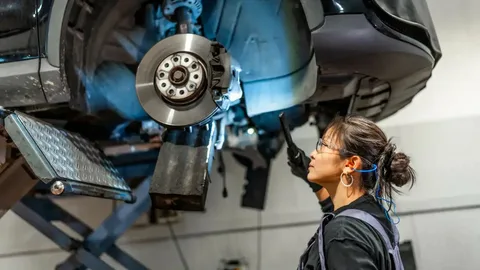
Regular brake inspections are an important part of maintaining commercial trucks and other heavy-duty vehicles. A braking system is exposed to continuous use, and its components can gradually wear as a vehicle accumulates mileage and operates under demanding conditions.
For fleet operators, waiting until a braking problem becomes severe can create additional maintenance challenges. A vehicle may require unexpected service, become unavailable for its scheduled route, or develop related problems that require more detailed inspection.
A planned inspection process gives fleet managers an opportunity to monitor vehicle condition and address concerns according to professional recommendations.
Why Routine Brake Inspections Matter
Commercial vehicles can travel long distances and carry substantial loads. These conditions place continuous demands on braking components.
Routine inspections can help identify signs of wear or damage before they develop into more serious concerns.
An inspection may provide information about:
- Brake pad or shoe condition
- Rotor or drum wear
- Caliper condition
- Brake lines and hoses
- Air-brake components
- Parking brake components
- Wheel-end condition
- Sensors and warning systems
The exact inspection requirements depend on the vehicle’s braking configuration and operating conditions.
Regular inspections do not guarantee that a vehicle will never experience a breakdown. Their purpose is to provide fleet managers and technicians with information that can support timely maintenance decisions.
Create an Inspection Schedule
A commercial fleet should have a clear inspection schedule rather than relying only on driver complaints.
The appropriate interval may depend on:
- Vehicle mileage
- Vehicle age
- Cargo weight
- Route conditions
- Daily operating hours
- Traffic patterns
- Previous repair history
- Manufacturer recommendations
- Professional maintenance guidance
Fleet managers can maintain a calendar showing when each vehicle is due for inspection.
This makes it easier to organize maintenance around operating schedules and reduces the possibility of important inspections being overlooked.
Monitor Changes in Brake Performance
A vehicle does not always develop a major brake problem suddenly.
Changes can develop gradually, such as unusual noise, vibration, pulling, changes in pedal feel, or reduced braking response.
Drivers should be encouraged to report these changes as soon as they notice them.
The driver’s report can then be reviewed by a qualified technician.
A business that needs brake repair services can review Brake Repair Service when arranging professional evaluation and maintenance.
Prompt attention can help determine whether the symptom is related to normal wear or another mechanical issue.
Pay Attention to Uneven Component Wear
During an inspection, technicians may identify uneven wear between components.
Uneven wear can have different causes depending on the vehicle and braking system. It may require additional inspection to determine why certain components are wearing differently.
Fleet managers should keep records of these findings instead of treating every inspection as an isolated event.
Comparing current inspection results with previous service records can help identify patterns.
For example, if a particular vehicle repeatedly shows unusual wear in the same area, the maintenance history can provide useful information for further evaluation.
Consider the Relationship Between Brakes and Tires
Tires and brakes are both important to overall vehicle control, so their condition should be considered during commercial vehicle maintenance.
Tire condition can affect traction, handling, and the vehicle’s response during braking.
Fleet operators searching for tire repair near me can review Tire Repair & Replacement as part of their broader vehicle maintenance planning.
This does not mean a tire issue is responsible for every braking concern. Instead, checking related components can help technicians develop a more complete understanding of the vehicle.
Review Warning Indicators
Modern commercial vehicles may use electronic monitoring systems to alert drivers to certain conditions.
A warning indicator should not automatically be ignored simply because the vehicle continues to operate.
When a warning appears, fleet managers should document when it occurred and whether the driver noticed any changes in vehicle behavior.
Professional diagnostic testing may be appropriate when electronic information needs to be investigated.
A business searching for commercial truck computer diagnostics can review JPRO Computerized Diagnostics when diagnostic support is required.
Electronic information should be considered alongside physical inspection and maintenance history.
Use Driver Reports as Maintenance Data
Drivers can provide useful information that may not appear in routine service records.
For example, a driver might report that braking feels different when the vehicle is loaded or that a vibration appears only at certain speeds.
Fleet managers can record these observations and provide them to technicians during inspection.
Useful information can include:
- Date of the complaint
- Vehicle identification
- Approximate mileage
- Route conditions
- Load condition
- Description of the symptom
- Whether the symptom is constant or occasional
Detailed reports can make it easier for technicians to understand when and how a concern occurs.
Compare Current Findings With Previous Records
Maintenance records become more useful when fleet managers review them over time.
A vehicle’s history can show:
- Previous brake repairs
- Component replacements
- Inspection dates
- Mileage at each service
- Reported symptoms
- Previous recommendations
- Related tire service
- Diagnostic findings
Comparing these records may help identify recurring issues.
For example, repeated repairs involving the same area may justify additional investigation rather than treating each repair independently.
Do Not Ignore Small Changes
One of the common challenges in fleet maintenance is deciding whether a minor symptom requires attention.
A small noise or change in vehicle behavior may not always indicate a serious problem. However, ignoring repeated symptoms can make it harder to determine when a condition began or whether it is becoming more frequent.
Fleet operators can establish a simple rule requiring drivers to report unusual changes.
A technician can then determine whether inspection or service is necessary.
This approach allows the fleet to respond to information without asking drivers to make technical decisions themselves.
Consider Operating Conditions
Inspection planning should reflect how a vehicle is actually used.
A truck operating in heavy urban traffic may make frequent stops throughout the day. Another vehicle may travel long highway routes with fewer braking events.
Vehicles carrying heavy loads can also experience different operating demands from lightly loaded vehicles.
Other factors can include:
- Steep roads
- Frequent stops
- Long-distance routes
- Heavy cargo
- Harsh weather
- High daily mileage
- Frequent trailer use
Fleet managers can discuss these conditions with their maintenance provider when establishing inspection schedules.
Inspect After Significant Repairs
After major brake-related work, appropriate follow-up can help confirm that the vehicle is ready for normal operation.
The exact follow-up process depends on the repair performed and the vehicle’s condition.
Fleet managers should retain documentation showing what work was completed and whether any additional recommendations were provided.
This creates a useful record for future maintenance planning.
It can also help technicians understand the vehicle’s recent service history if another concern appears later.
Include Inspections in Fleet Planning
Brake inspections should be part of the broader fleet maintenance calendar.
Managers can coordinate inspections with other scheduled services when practical.
This may reduce the number of separate maintenance appointments and help keep vehicle records organized.
However, an inspection should not be delayed simply because another service appointment is not yet scheduled. If a driver reports a significant braking concern, the vehicle should be evaluated according to appropriate safety procedures.
Train Drivers to Report Concerns
Driver education can make an inspection program more effective.
Drivers should understand that they are not expected to diagnose brake problems. Their responsibility is to recognize unusual behavior and report it accurately.
Training can explain:
- What types of changes should be reported
- Who should receive the report
- What information should be included
- What to do if a serious problem develops
- Why timely reporting matters
Consistent reporting can provide fleet managers with better information between scheduled inspections.
Keep the Process Consistent
The value of regular inspections depends partly on consistency.
If some vehicles are inspected regularly while others are only checked after problems appear, fleet managers may have incomplete information about overall fleet condition.
A standardized process can include:
- Schedule the inspection.
- Record vehicle mileage.
- Document driver concerns.
- Inspect relevant components.
- Record findings.
- Identify recommended actions.
- Schedule necessary service.
- Update the vehicle’s maintenance history.
This process can be adjusted to suit the fleet’s size and operating requirements.
Reduce Surprises Through Better Maintenance Planning
Regular brake inspections provide fleet managers with information that can support maintenance decisions.
They can help identify developing wear, document recurring symptoms, and create a clearer service history.
For commercial operators in San Angelo, TX, combining scheduled inspections with driver reporting, professional evaluation, and organized records can create a more structured approach to vehicle maintenance.
The objective is not to eliminate every unexpected repair. Instead, it is to improve visibility into vehicle condition and give fleet managers a better process for deciding when maintenance may be required.
Consistent inspection practices can therefore become an important part of maintaining commercial vehicles and preparing them for continued operation.
Common Brake Problems Commercial Truck Operators Should Watch For
Commercial trucks depend on their braking systems every day, particularly when carrying heavy loads or operating in busy traffic conditions. Because braking components are exposed to repeated use, normal wear can develop over time. Other mechanical or system-related issues can also affect braking performance.
For fleet operators, recognizing common warning signs can make it easier to arrange an appropriate inspection before a developing concern creates greater operational disruption. Drivers and managers do not need to diagnose the exact cause of a symptom. Their role is to identify changes, report them, and allow qualified technicians to determine what service may be required.
Reduced Braking Performance
One of the most important signs to watch for is a noticeable change in braking performance.
A driver may feel that the vehicle does not respond in the same way it normally does. The truck may require more pedal input, take longer to slow down, or behave differently when stopping.
A change in braking behavior should not automatically be assumed to be normal wear. The vehicle should be evaluated according to appropriate safety procedures.
Commercial operators looking for truck brake repair near me can review Brake Repair Service when professional brake evaluation is required.
Unusual Brake Noise
Noise can sometimes provide an early indication that a braking component requires attention.
Possible sounds may include squealing, grinding, scraping, clicking, or other noises that were not previously present.
Not every noise has the same cause. Some sounds can be associated with normal operating conditions, while others may indicate wear, contamination, damaged components, or another mechanical concern.
For that reason, fleet operators should avoid trying to identify the exact problem based only on the sound.
Instead, drivers can record when the noise occurs and whether it appears during normal braking, heavy braking, turns, or other operating conditions.
Vibration During Braking
Vibration is another symptom that deserves attention.
A driver may feel vibration through the steering wheel, brake pedal, seat, or vehicle body when applying the brakes.
The source can vary depending on the vehicle and its condition. Brake components, wheel-end parts, tires, suspension components, or other mechanical systems may require inspection.
A technician can determine which areas should be evaluated instead of assuming that the brake component itself is always responsible.
Documenting when the vibration occurs can also provide useful information for troubleshooting.
Vehicle Pulling to One Side
A commercial vehicle that pulls to one side during braking may require professional evaluation.
The cause can involve different components or conditions, so the symptom should not be used as a diagnosis by itself.
Drivers should report whether the pulling occurs only during braking or whether it is also noticeable during normal driving.
Fleet managers can record these details and provide them to the technician.
This information may help narrow down the conditions under which the problem occurs and support a more focused inspection.
Changes in Pedal Feel
Changes in brake pedal feel can also be important.
A driver may notice that the pedal feels different from normal, such as becoming unusually soft, firm, low, or otherwise inconsistent.
The significance of a pedal change depends on the vehicle’s braking configuration and the circumstances in which it occurs.
Because braking systems can differ significantly between commercial vehicles, unusual pedal behavior should be evaluated rather than interpreted without professional inspection.
Problems Related to Air-Brake Systems
Many commercial vehicles use air-operated braking systems, which include several components that require appropriate inspection and maintenance.
Air leaks, damaged lines, valves, compressors, tanks, or other components can affect system operation.
Fleet operators dealing with an air system repair need can review Air System Service when professional inspection or service is needed.
The exact cause of an air-system concern should be determined by a qualified technician.
Because air systems can involve multiple connected components, repairing only the most obvious symptom may not always address the underlying issue.
Warning Indicators and Electronic Information
Some commercial vehicles use electronic monitoring systems that can provide warning information when certain conditions occur.
A warning light or message should not automatically be ignored simply because the vehicle continues operating.
Fleet managers can record when the warning appeared, what the driver noticed, and whether any other symptoms occurred at the same time.
Professional commercial vehicle diagnostics can help technicians investigate applicable electronic information. Alfred’s Diesel provides JPRO Computerized Diagnostics for applicable commercial vehicle diagnostic needs.
Electronic information should be combined with physical inspection and vehicle history when determining the appropriate repair.
Brake Fluid or Air-Related Concerns
Depending on the braking configuration, fluid or air-related problems may require attention.
Hydraulic systems can experience issues involving fluid levels, lines, hoses, or other components. Air-brake systems have their own inspection requirements.
Fleet managers should rely on the vehicle’s specific configuration and professional maintenance guidance rather than applying the same troubleshooting process to every truck.
If a driver notices an unusual smell, visible leak, pressure-related warning, or another unusual condition, the concern should be reported promptly.
Trailer Brake Problems
Commercial fleets often operate trucks together with trailers, making trailer condition another important consideration.
A braking concern may involve the tractor, trailer, or an interaction between connected systems.
Trailer-related issues can include worn components, damaged connections, tire problems, lighting concerns, or other mechanical conditions.
Operators who need trailer repair can review Trailer Repair when trailer inspection or repair is required.
Checking the trailer as part of the overall vehicle maintenance process can help avoid overlooking a related issue.
Uneven Component Wear
Brake components do not always wear at the same rate.
During inspection, a technician may notice differences in wear between components or between different wheels.
Uneven wear can have several possible causes. Additional inspection may be required to determine whether the condition involves the braking system, wheel-end components, alignment, suspension, operating conditions, or another factor.
Fleet managers should document these findings so they can be compared with future inspections.
Brake Problems That Keep Returning
A recurring brake problem deserves attention beyond the immediate repair.
If the same truck repeatedly develops similar symptoms, managers can review its maintenance history.
Useful information can include:
- Date of each repair
- Vehicle mileage
- Reported symptoms
- Components replaced
- Inspection findings
- Operating conditions
- Load information
- Previous recommendations
This history can help technicians determine whether the vehicle requires additional investigation.
Repeated repairs do not automatically indicate that previous work was incorrect. Vehicle age, workload, mileage, route conditions, and component quality can all influence maintenance requirements.
Problems That Appear Only Under Certain Conditions
Some symptoms may appear only under specific circumstances.
For example, a driver may notice a concern when the truck is heavily loaded, traveling downhill, operating in heavy traffic, or after extended driving.
These details can be valuable because they provide context for the technician.
Fleet managers should encourage drivers to report the conditions under which the symptom occurs rather than simply stating that the brakes are “not working properly.”
A detailed description can make troubleshooting more efficient.
Do Not Ignore Driver Feedback
Drivers are often the first people to notice changes in a commercial vehicle.
A driver may recognize a new noise or unusual braking behavior before the vehicle reaches its next scheduled inspection.
Fleet operators can create a simple reporting system where drivers provide:
- Vehicle identification
- Date and time
- Approximate mileage
- Description of the symptom
- Road or traffic conditions
- Load condition
- Whether the symptom is recurring
This information can then be reviewed by the appropriate maintenance personnel.
Keep Repair Records Updated
Every significant brake concern should be documented.
Records can show when a problem first appeared, what inspection was performed, what work was completed, and whether follow-up was recommended.
Over time, these records can reveal patterns that may not be obvious from a single repair appointment.
They can also help technicians understand the vehicle’s history when a new concern develops.
Respond to Serious Symptoms Promptly
Some braking symptoms should not be treated as routine maintenance concerns.
If a driver experiences a significant loss of braking performance, severe vibration, unusual mechanical behavior, or another condition that may make continued operation unsafe, the vehicle should be handled according to the company’s safety and emergency procedures.
Drivers should not be encouraged to continue operating a vehicle when they believe it may be unsafe.
The appropriate response depends on the specific circumstances and vehicle condition.
Build Awareness Into Fleet Maintenance
Recognizing common brake symptoms is one part of a larger commercial vehicle maintenance strategy.
Fleet managers can combine driver reporting, regular inspections, maintenance records, professional evaluation, and appropriate diagnostic procedures to create better visibility into vehicle condition.
No single symptom can provide a complete diagnosis. A noise may have several possible causes, while vibration or pulling can involve systems outside the brakes themselves.
That is why professional inspection remains important.
A Practical Approach to Brake Problems
Commercial truck operators can make brake monitoring more organized by establishing a simple process:
- Encourage drivers to report changes immediately.
- Record the vehicle and operating conditions.
- Avoid assuming the cause of the symptom.
- Arrange appropriate professional inspection.
- Document inspection findings.
- Complete recommended repairs.
- Record the work performed.
- Monitor the vehicle afterward.
- Review recurring concerns through its maintenance history.
This process can help fleet managers respond consistently when braking concerns appear.
By recognizing warning signs early and maintaining accurate service records, commercial operators in San Angelo, TX can develop a more structured approach to brake maintenance. The goal is to understand vehicle condition, address appropriate repairs, and keep maintenance decisions based on professional inspection rather than assumptions.
How to Manage Brake Repair Costs and Reduce Fleet Downtime
Brake repairs are an unavoidable part of operating commercial vehicles over the long term. Even with regular inspections and preventive maintenance, braking components can wear as vehicles accumulate mileage and continue working under demanding conditions.
For fleet operators, the challenge is not simply paying for a repair. A vehicle that remains unavailable can also affect routes, deliveries, driver schedules, and overall fleet operations. This makes it important to manage brake maintenance in a way that considers both repair requirements and vehicle availability.
A structured approach can help fleet managers understand repair needs, organize service, monitor recurring problems, and reduce unnecessary delays.
Understand What Is Causing the Repair
Before considering cost, fleet managers should understand what problem has been identified.
A professional inspection can help determine whether the concern involves normal component wear, damage, an air-system issue, a wheel-end concern, or another vehicle condition.
The repair recommendation should explain the work that is required and why it is necessary.
This information allows managers to make decisions based on the actual condition of the vehicle rather than simply choosing a repair based on a general symptom.
Separate Urgent Repairs From Planned Maintenance
Not every repair needs to be handled in exactly the same way.
Some conditions may require immediate attention because they can affect the vehicle’s safe operation. Other maintenance work may be scheduled around fleet availability when professional inspection determines that immediate service is not required.
Creating different repair priorities can help fleet managers organize their workload.
For example:
- Safety-related concerns can receive immediate attention.
- Necessary but non-urgent repairs can be scheduled.
- Components that are still serviceable can be monitored according to professional recommendations.
The exact priority should always depend on the vehicle’s condition.
Compare Repair Information Carefully
Fleet managers may receive different estimates or recommendations when seeking service.
Instead of comparing only the total price, managers can review:
- Components included in the repair
- Labor requirements
- Inspection findings
- Recommended follow-up work
- Parts being replaced
- Expected service time
- Additional related work
A lower estimate is not automatically the most appropriate option if it does not address the full problem.
Likewise, a higher estimate should be supported by clear information explaining the proposed work.
Understanding the scope of service makes cost comparisons more meaningful.
Consider the Cost of Vehicle Downtime
The direct repair bill is only one part of the overall cost.
When a commercial truck is unavailable, a business may need to adjust routes, reschedule work, use another vehicle, or deal with delays.
Fleet managers can therefore track downtime alongside repair expenses.
Useful records may include:
- Date the problem was reported
- Date the vehicle entered service
- Diagnosis time
- Repair completion date
- Return-to-service date
- Total time unavailable
This information can help identify repairs that consistently create longer delays.
Schedule Maintenance Around Fleet Operations
Commercial fleets often have vehicles operating on different routes and schedules.
Whenever the vehicle’s condition allows planned maintenance, managers can coordinate appointments around periods when the truck is less operationally important.
This may help reduce disruption.
However, scheduling should never be used as a reason to delay a serious braking problem. If a vehicle has a condition that may make continued operation unsafe, it should be handled according to appropriate safety procedures.
Maintain Accurate Brake Service Records
Good records can help reduce unnecessary uncertainty when a vehicle requires another repair.
A maintenance history can include:
- Vehicle identification
- Mileage
- Inspection dates
- Previous brake work
- Parts replaced
- Reported symptoms
- Diagnostic findings
- Technician recommendations
- Follow-up work
When a similar problem appears later, technicians can review previous information rather than starting without any history.
Records can also help fleet managers identify vehicles that require unusually frequent service.
Look for Recurring Repair Patterns
Repeated brake repairs on the same vehicle should be reviewed carefully.
A recurring problem does not automatically mean that previous repairs were unsuccessful. Different factors can contribute to repeated maintenance requirements, including vehicle age, mileage, operating conditions, heavy loads, and route characteristics.
Managers can compare:
- How often the problem occurs
- Mileage between repairs
- Components involved
- Vehicle workload
- Previous inspection results
- Driver reports
If a pattern becomes visible, the vehicle can receive additional professional evaluation.
Use Diagnostics When Electronic Issues Are Suspected
Modern commercial vehicles may contain electronic systems that can provide useful fault information.
When warning indicators or electronic problems are associated with a vehicle concern, diagnostic testing may help technicians investigate the available information.
Fleet operators looking for fleet vehicle diagnostics can review JPRO Computerized Diagnostics when appropriate.
Diagnostic information should be interpreted alongside physical inspection, service history, and driver observations.
Using diagnostics does not mean that every brake problem is electronic. Instead, it provides another source of information when the vehicle’s systems indicate that electronic troubleshooting may be relevant.
Prepare for Emergency Brake Problems
Planned maintenance can reduce some risks, but it cannot eliminate every unexpected vehicle problem.
Fleet operators should have a procedure for situations where a truck develops a serious braking concern during operation.
The procedure can identify:
- Who the driver should contact
- What information should be provided
- How the vehicle location should be communicated
- When the vehicle should remain out of service
- How emergency support should be arranged
- How the incident should be documented afterward
Having this information available before an emergency occurs can reduce confusion.
Businesses requiring emergency brake repair can review Brake Repair Service when evaluating available repair support.
Keep Replacement Parts and Service Information Organized
Parts information can also contribute to better maintenance planning.
Fleet managers can keep records showing which components were replaced and when the work was performed.
This can help answer questions when another concern develops.
For example, managers can determine whether a component was recently replaced or whether the vehicle has accumulated substantial mileage since its previous brake service.
Organized information can save time during future service appointments.
Monitor Maintenance Spending by Vehicle
Tracking repair expenses by vehicle can provide useful long-term information.
Managers can compare maintenance spending with mileage, vehicle age, workload, and operating conditions.
A vehicle with higher expenses may simply be older or used more heavily than other trucks.
The purpose of this comparison is not to label a vehicle as expensive without context. Instead, it is to identify patterns that may deserve closer review.
If one vehicle repeatedly requires significant brake-related work, its complete maintenance history can be discussed with a qualified technician.
Consider Preventive Maintenance
Preventive maintenance can help fleet operators move from reactive repairs toward planned vehicle care.
A preventive process may include:
- Scheduled inspections
- Driver reporting
- Maintenance records
- Brake component checks
- Related system inspections
- Diagnostic testing when appropriate
- Follow-up evaluations
The exact schedule should be based on the vehicle, operating conditions, manufacturer guidance, and professional recommendations.
Preventive maintenance does not guarantee that a vehicle will avoid unexpected repairs. It provides a structured way to monitor condition and respond to known maintenance needs.
Coordinate Brake Work With Other Service Needs
When appropriate, fleet managers can coordinate brake maintenance with other scheduled vehicle services.
For example, a truck already entering a service facility may also require inspection of tires, electrical components, air systems, or other areas based on its maintenance schedule.
This can help managers organize vehicle service more efficiently.
However, additional work should be based on actual maintenance requirements rather than adding unnecessary repairs simply because the vehicle is already being serviced.
Communicate Clearly With Drivers
Drivers should know when a vehicle has received brake-related service and whether any follow-up instructions apply.
Fleet managers can also ask drivers to report whether the vehicle behaves normally after returning to operation.
This creates an additional feedback loop between the driver, manager, and service provider.
If a previously reported symptom returns, the fleet can document it and arrange appropriate evaluation.
Review Emergency Repairs Afterward
An emergency repair should not necessarily be considered the end of the maintenance process.
After the vehicle returns to operation, managers can review:
- What happened
- What symptoms were reported
- What repair was completed
- Why the vehicle became unavailable
- Whether related systems were inspected
- Whether follow-up work was recommended
This review can help determine whether the event should influence future maintenance planning.
For example, a recurring roadside issue may indicate that a particular vehicle needs closer monitoring.
Build a Brake Repair Budget
Fleet operators can use historical maintenance information when planning future budgets.
A budget can account for:
- Routine inspections
- Expected component replacement
- Diagnostic services
- Emergency repairs
- Related tire work
- Unexpected maintenance
- Vehicle downtime
The goal is not to predict every repair precisely. Instead, historical information can provide a practical starting point for planning.
Budget reviews can also be updated as the fleet changes.
When Lower Repair Costs May Not Mean Lower Overall Costs
A repair that appears inexpensive initially may become more costly if the underlying problem remains unresolved.
For example, repeated temporary repairs may result in additional service appointments and downtime.
This is why fleet managers should focus on understanding the condition of the vehicle and the scope of the recommended repair.
The most useful comparison is often between complete repair information, expected service requirements, vehicle downtime, and long-term maintenance needs.
Create a Simple Cost-Control Process
Fleet operators can use a straightforward process for managing brake repair expenses:
- Record the initial driver complaint.
- Arrange appropriate inspection.
- Document the findings.
- Identify the required repair.
- Determine the repair priority.
- Compare relevant service information.
- Schedule the work when appropriate.
- Record the completed repair.
- Monitor the vehicle afterward.
- Review recurring problems over time.
This process can make brake maintenance easier to track.
Keep Long-Term Fleet Goals in Mind
The objective of managing brake repair costs is not simply to reduce the number shown on an invoice.
Fleet managers need to consider vehicle condition, operational requirements, safety procedures, downtime, maintenance history, and future service needs together.
A structured approach can help businesses identify developing problems, organize planned repairs, and respond more consistently when unexpected concerns occur.
For commercial operators in San Angelo, TX, combining professional inspection with accurate records, appropriate diagnostics, planned scheduling, and clear emergency procedures can create a more organized approach to brake maintenance.
This can help fleet managers make maintenance decisions based on documented vehicle condition instead of waiting until every problem becomes an urgent repair.
Commercial Truck Brake Components That Require Regular Attention
Commercial truck braking systems contain multiple components that work together to slow and stop a vehicle. Because trucks can operate with heavy loads, long routes, frequent stops, and changing road conditions, these components can experience substantial use over time.
For fleet operators, understanding the major parts of a braking system can make maintenance discussions easier. Managers and drivers do not need to diagnose individual components themselves, but knowing what technicians may inspect can help them understand repair recommendations and maintenance records.
Regular professional inspections can identify wear, damage, leaks, or other conditions that may require attention. The exact inspection process depends on the vehicle’s braking configuration, manufacturer requirements, operating conditions, and professional recommendations.
Brake Pads and Shoes
Brake pads and shoes are among the components that experience friction during braking.
The specific component used depends on the vehicle’s braking design. As these parts are used over time, they can gradually wear.
Fleet managers should keep records of inspections and replacements so they can understand how individual vehicles are performing.
If a vehicle regularly operates under heavy loads or in demanding traffic conditions, its braking components may experience different levels of wear than those on vehicles with lighter workloads.
Wear should be evaluated by a qualified technician rather than estimated only from mileage.
Rotors and Drums
Rotors and drums are other important braking components.
Depending on the vehicle configuration, braking friction occurs against a rotor or drum. These components can experience wear and may require inspection when braking performance changes or other symptoms appear.
During professional service, technicians can evaluate their condition and determine whether further action is appropriate.
Fleet managers should record when these components are inspected or serviced. Maintaining this information can make it easier to understand the vehicle’s maintenance history during future appointments.
Calipers and Related Components
Vehicles equipped with disc braking systems may use calipers to apply pressure to the brake pads.
A concern involving a caliper can potentially affect how braking force is applied.
Unusual noise, uneven component wear, or changes in braking behavior may require professional inspection to determine whether a caliper or another part of the braking system is involved.
Fleet operators should avoid assuming the cause of a symptom before the vehicle has been properly evaluated.
Brake Lines and Hoses
Brake lines and hoses are responsible for carrying the required pressure or fluid through applicable braking systems.
Their condition should be considered during routine inspection.
Damage, deterioration, leakage, or another issue involving these components may require attention depending on the vehicle’s braking design.
Because lines and hoses can be located in different areas of a commercial vehicle, a professional inspection can help identify concerns that may not be visible during a basic walk-around.
Air-Brake Components
Many commercial trucks use air-operated braking systems.
These systems include multiple components that must work together properly. Depending on the vehicle, technicians may inspect items such as air lines, valves, tanks, compressors, and other related components.
Fleet managers should ensure that air-system concerns are included in the vehicle’s maintenance history.
A truck that develops repeated air-related symptoms may require additional professional evaluation to determine the underlying cause.
Businesses looking for emergency air system service can review Air System Service when an applicable commercial vehicle air-system concern requires professional attention.
Parking Brake Components
The parking brake is another area that should receive appropriate attention.
Its design varies between vehicles, so inspection requirements can also differ.
A parking brake that does not operate as expected should be reported and evaluated.
Fleet managers can document parking-brake inspections and repairs alongside the rest of the vehicle’s maintenance history.
Keeping these records can help technicians understand previous work when a related concern appears later.
Brake Fluid and Hydraulic Components
Some commercial vehicles use hydraulic braking systems or hydraulic components.
Depending on the vehicle, technicians may evaluate fluid condition, levels, lines, hoses, and other applicable parts.
A fluid leak or unusual change in brake behavior should be reported promptly.
Fleet managers should not assume that adding fluid alone resolves the underlying issue. If a fluid level is unexpectedly low, professional inspection may be necessary to determine why.
Electronic Sensors and Monitoring Components
Modern commercial vehicles may use sensors and electronic systems to monitor different vehicle conditions.
These systems can provide information through warning indicators or diagnostic data.
When an electronic warning appears, fleet managers can document the warning and any symptoms noticed by the driver.
Professional testing may then be used to determine what the available information means.
Electronic monitoring should complement physical inspection rather than replace it.
Wheel-End Components
Brake maintenance should also take the wheel-end area into consideration.
Depending on the vehicle, technicians may inspect wheel-end components, bearings, seals, wheels, and related parts when investigating a braking concern.
A problem outside the primary brake components can sometimes create symptoms that appear to be brake-related.
For this reason, a broader inspection may be appropriate when unusual vibration, noise, heat, or uneven wear is reported.
Tires and Brake Performance
Tires are another important part of overall vehicle control.
A truck’s braking performance depends on more than the brake components themselves. Tire condition, road contact, vehicle load, and other factors can influence how a vehicle behaves while stopping.
Fleet operators should therefore include tire condition within their broader maintenance process.
Businesses looking for tire replacement near me can review Tire Repair & Replacement when applicable tire service is required.
This does not mean a tire issue is responsible for every braking concern. Instead, it highlights why related vehicle systems may need to be considered during professional inspection.
Suspension and Steering
Suspension and steering components can also affect overall vehicle behavior.
When a driver reports pulling, vibration, unusual handling, or another change during braking, technicians may need to evaluate more than one system.
A complete inspection can help determine whether the symptom originates from the braking system or another mechanical area.
Fleet managers should record these findings so future service providers have access to the vehicle’s history.
Trailer Braking Components
Commercial fleets frequently operate tractors with trailers, making trailer braking an important consideration.
Trailer braking systems may contain their own components and connections that require inspection.
When a truck and trailer are operating together, a braking concern may require evaluation of both units.
Fleet managers should therefore maintain separate but connected service records for tractors and trailers.
This can help technicians understand which unit received previous work and when the service occurred.
Electrical Connections
Some commercial braking systems can include electrical connections, sensors, or electronic controls.
Damaged wiring, loose connections, or other electrical concerns may affect applicable monitoring or control functions.
When an electronic warning appears, fleet managers should record the information and arrange appropriate troubleshooting.
Businesses needing electrical system support can review Electrical System Service when an applicable commercial vehicle electrical concern is identified.
Electrical issues should be professionally evaluated because the exact cause may not be obvious from the warning indicator alone.
Signs That Components May Need Attention
Drivers can watch for changes such as:
- Unusual braking noise
- Vibration
- Pulling during braking
- Reduced braking response
- Changes in pedal behavior
- Warning indicators
- Visible leaks
- Unusual odors
- Uneven component wear
- Changes in air-system behavior
These signs do not identify a specific failed component.
Their purpose is to alert the driver and fleet manager that professional evaluation may be appropriate.
Keep Component Replacement Records
Fleet managers should record which braking components were inspected, repaired, or replaced.
Useful information can include:
- Vehicle identification
- Date of service
- Mileage
- Component inspected
- Component replaced
- Reported symptoms
- Inspection findings
- Recommended follow-up
These records can become valuable when evaluating future repair needs.
They may also help identify whether a particular vehicle is experiencing recurring concerns.
Consider Service Quality Alongside Cost
When comparing repair providers, fleet managers can consider the quality and scope of the inspection in addition to price.
A professional evaluation should provide useful information about the vehicle’s condition and explain recommended work.
Businesses comparing affordable brake repair options can consider whether the service includes appropriate inspection, clear communication, proper documentation, and a repair approach suitable for the vehicle.
The cheapest estimate should not automatically be treated as the complete solution if the underlying condition has not been adequately evaluated.
Plan Component Inspections Around Vehicle Use
Maintenance planning should consider how each truck is used.
Fleet managers can review mileage, cargo loads, routes, traffic conditions, and previous maintenance history when organizing inspections.
This can help create a practical schedule for vehicles with different operating demands.
A vehicle that travels heavily loaded routes may require different monitoring from one that operates under lighter conditions.
The appropriate schedule should be determined using vehicle requirements, manufacturer guidance, and professional recommendations.
Respond to Brake Concerns Promptly
When a driver reports a significant change in braking behavior, the concern should be communicated through the fleet’s maintenance process.
Managers can document the complaint and arrange appropriate evaluation.
If the vehicle’s condition creates a safety concern, it should be handled according to the company’s safety procedures rather than simply being returned to normal operation without assessment.
Prompt reporting gives technicians better information and can help fleet managers make appropriate maintenance decisions.
Build a Component-Based Maintenance Process
A useful commercial brake maintenance process can include:
- Record driver-reported symptoms.
- Identify the vehicle and mileage.
- Review previous maintenance history.
- Inspect relevant brake components.
- Consider related vehicle systems.
- Use diagnostic information when applicable.
- Document inspection findings.
- Complete appropriate repairs.
- Record replaced components.
- Schedule necessary follow-up service.
This approach provides a consistent framework without assuming that every vehicle has the same maintenance requirements.
Keep the Entire Braking System in View
Commercial truck braking systems should be viewed as a group of connected components rather than a single part.
Pads, shoes, rotors, drums, calipers, lines, hoses, air components, parking brakes, sensors, wheel-end parts, tires, and related systems may all deserve attention depending on the vehicle.
Professional inspection can help determine which components actually require service.
For fleet operators in San Angelo, TX, maintaining organized records and responding promptly to changes in vehicle behavior can make brake maintenance more structured.
A component-based approach also helps fleet managers communicate more effectively with technicians and understand why particular repairs may be recommended.
By monitoring the condition of individual braking components while considering the vehicle as a complete system, commercial operators can build a more consistent maintenance process and keep better track of their fleet’s long-term service needs.
How to Prepare a Commercial Fleet for Unexpected Brake Problems
Even a well-maintained commercial fleet can experience unexpected brake-related problems. Trucks operate under demanding conditions, and mechanical components can develop issues between scheduled inspections. For fleet managers, preparation is therefore an important part of commercial vehicle maintenance.
A clear emergency plan can help drivers and managers respond consistently when a braking concern appears during a route. The objective is not to assume that every problem can be prevented. Instead, the goal is to make sure everyone understands what to do when an unexpected situation occurs.
Create a Clear Emergency Procedure
Every commercial fleet should have a straightforward procedure for handling serious vehicle problems.
The procedure can explain:
- Who the driver should contact
- What information the driver should provide
- How the vehicle location should be communicated
- When the vehicle should remain out of service
- How repair support should be arranged
- How the incident should be documented
Having these instructions available before an emergency occurs can reduce confusion.
Drivers should not have to determine the mechanical cause of a brake problem. Their responsibility is to report what they experienced and follow the company’s safety procedures.
Train Drivers to Recognize Warning Signs
Drivers are often the first people to notice a change in vehicle behavior.
Training can help drivers recognize signs such as:
- Reduced braking response
- Unusual sounds
- Vibration
- Pulling during braking
- Changes in pedal behavior
- Warning indicators
- Unusual smells
- Air-pressure concerns
These signs do not necessarily identify a specific failed component.
Instead, they provide information that can be communicated to fleet managers and technicians.
A simple reporting process can help ensure that concerns are not ignored or forgotten.
Know When a Vehicle Should Stop Operating
One of the most important parts of emergency preparation is understanding when a vehicle may need to remain out of service.
If a driver experiences a serious change in braking performance or believes the vehicle may not be safe to continue operating, the situation should be handled according to the company’s safety procedures.
The driver should move to a safe location when possible and contact the appropriate fleet representative.
The exact response depends on the circumstances, vehicle condition, and applicable safety requirements.
Maintain Current Emergency Contact Information
Emergency procedures are only useful when contact information is current.
Fleet managers can maintain a list containing:
- Fleet manager contact
- Dispatch contact
- Maintenance contact
- Repair provider
- Emergency service provider
- Vehicle information
- Insurance or roadside information when applicable
The list should be accessible to drivers who may need it while operating a vehicle.
Contact information can be reviewed periodically to make sure outdated numbers are removed.
Record the Vehicle’s Location
When a commercial vehicle experiences a serious problem away from its normal service area, accurate location information can help coordinate assistance.
Drivers should know how to provide their location using available methods.
Useful information may include:
- Road or highway
- Direction of travel
- Nearby landmark
- Exit number
- City or area
- Vehicle identification
Accurate information can make communication easier when repair support needs to be coordinated.
Keep Vehicle Information Available
Fleet managers should maintain basic information for each commercial vehicle.
Records may include:
- Vehicle identification number
- Unit number
- Mileage
- Vehicle type
- Engine information
- Trailer information
- Maintenance history
- Recent brake service
- Diagnostic records
Having this information available can help technicians understand the vehicle before service begins.
It can also make communication more efficient during an emergency.
Prepare for Mobile Service Needs
Commercial vehicles are not always able to return to a repair facility when a problem develops.
Depending on the situation and available service options, mobile assistance may be useful for evaluating or addressing a vehicle at its location.
Fleet operators searching for mobile brake repair service can review Brake Repair Service when considering applicable commercial vehicle support.
Whether mobile service is appropriate depends on the vehicle’s condition and the type of repair required.
Some problems may require the vehicle to be transported to a suitable repair facility.
Keep an Emergency Repair Decision Process
Fleet managers can create a simple decision process for unexpected brake concerns.
For example:
- Driver reports the problem.
- Vehicle location is confirmed.
- Manager records the symptoms.
- The vehicle’s operating status is assessed according to safety procedures.
- Appropriate repair support is contacted.
- Technician evaluates the vehicle.
- Necessary service is completed.
- Repair details are documented.
- Follow-up maintenance is scheduled when needed.
This process can help prevent important steps from being overlooked.
Use Maintenance History During Emergencies
Previous service information can be useful when a vehicle develops another problem.
A technician may need to know:
- When the vehicle was last inspected
- What brake work was previously performed
- Which components were replaced
- Whether similar symptoms occurred before
- Whether diagnostic testing was previously completed
- Whether follow-up recommendations were made
A complete maintenance history can provide useful context.
Fleet managers should therefore keep records updated rather than waiting until an emergency occurs.
Prepare for Related Electrical Problems
Some commercial vehicles rely on electronic systems for monitoring and control functions.
If an electrical warning appears alongside a vehicle concern, it may require separate troubleshooting.
Fleet operators needing emergency electrical service can review Electrical System Service when applicable.
An electrical warning does not automatically mean that the braking system itself has failed. Professional inspection can help determine whether the concern is electrical, mechanical, or related to another system.
Have a Diagnostic Plan
Unexpected warning indicators can sometimes require diagnostic testing.
Fleet managers can identify in advance which diagnostic provider they will contact when electronic information needs to be investigated.
Businesses looking for truck diagnostic services can review JPRO Computerized Diagnostics when applicable diagnostic support is required.
Diagnostic information can help technicians investigate electronic faults, but it should be considered alongside physical inspection and maintenance history.
Prepare for Trailer-Related Situations
Commercial trucks frequently operate with trailers, so emergency planning should account for the complete combination.
If a driver experiences an unusual braking condition, the maintenance team may need information about both the tractor and trailer.
Fleet records should identify which trailer was connected to the vehicle at the time of the incident.
This can be particularly useful when several trailers are used interchangeably.
Maintaining separate service histories can help managers and technicians determine whether a concern is associated with the truck, trailer, or another part of the combination.
Keep Communication Simple During an Emergency
Emergency situations can become confusing when too much information is requested at once.
Fleet managers can provide drivers with a short reporting checklist.
The driver may need to provide:
- Name
- Vehicle number
- Current location
- Direction of travel
- Description of the problem
- Warning indicators
- Whether the vehicle is safely stopped
- Whether passengers or other personnel are present
Additional technical information can be collected later by the maintenance team.
Prepare for Delays
An unexpected vehicle problem can affect routes and delivery schedules.
Fleet managers can prepare contingency procedures for situations where a vehicle cannot immediately return to service.
Depending on the business, this might involve:
- Reassigning a route
- Using another vehicle
- Adjusting delivery schedules
- Communicating delays
- Coordinating replacement equipment
The exact process depends on the company’s operations.
Planning these possibilities in advance can reduce disruption when a vehicle becomes unavailable.
Review Every Emergency Repair
After the vehicle has been repaired, fleet managers should review the incident.
Useful questions include:
- What symptom was first reported?
- Where did the problem occur?
- What was found during inspection?
- What repair was completed?
- Was the issue previously reported?
- Did the vehicle have recent maintenance?
- Is follow-up inspection recommended?
This information can be added to the vehicle’s service history.
A post-repair review can also help managers determine whether the maintenance plan needs adjustment.
Look for Repeated Emergency Events
One emergency may be an isolated event. Multiple similar events involving the same vehicle may deserve additional review.
Fleet managers can compare emergency incidents across time.
They may look at:
- Vehicle mileage
- Repair frequency
- Type of problem
- Operating conditions
- Previous inspections
- Time between repairs
A pattern does not automatically identify a specific cause. However, it can provide useful information for a professional evaluation.
Keep Backup Plans for Critical Vehicles
Some fleets rely heavily on particular trucks because of their route requirements or specialized equipment.
Managers can identify vehicles that would create significant operational disruption if they became unavailable.
For these vehicles, contingency planning may include alternative vehicles, route adjustments, or additional scheduling flexibility.
The goal is not to maintain unnecessary backup equipment. It is to understand which vehicles are most operationally important and plan accordingly.
Update the Emergency Plan Regularly
An emergency procedure should change when the fleet changes.
Managers can update the plan when:
- New vehicles are added
- Vehicles are retired
- Contact information changes
- Repair providers change
- Operating areas expand
- Fleet responsibilities change
- New maintenance procedures are introduced
Drivers should also be informed when important changes are made.
Build an Emergency Brake Checklist
A practical checklist can include:
- Keep emergency contacts current.
- Train drivers on warning signs.
- Record vehicle identification information.
- Make sure location reporting procedures are clear.
- Establish communication responsibilities.
- Maintain current maintenance records.
- Identify diagnostic support.
- Prepare for mobile service when appropriate.
- Include trailer information.
- Document every emergency repair.
- Review recurring incidents.
- Update procedures when fleet conditions change.
This checklist can be adapted to the size and operating requirements of the fleet.
Turn Emergency Experience Into Better Planning
Unexpected brake problems provide information that can be useful for future maintenance planning.
After each incident, fleet managers can review what happened and determine whether there were earlier warning signs, previous related repairs, or maintenance records that could provide additional context.
This does not mean every emergency was preventable. Commercial vehicles can experience unexpected failures even when maintenance is performed properly.
However, reviewing incidents can help businesses improve communication, documentation, scheduling, and emergency response procedures.
Preparing the Fleet for the Unexpected
A commercial fleet cannot eliminate every unexpected brake problem, but it can prepare for how those problems will be handled.
Driver training, accurate vehicle records, emergency contacts, professional inspection, diagnostic support, and clear communication can create a more organized response process.
For operators in San Angelo, TX, preparation is especially useful when vehicles travel away from their normal service locations.
A well-organized emergency plan allows fleet managers to focus on the immediate situation while maintaining accurate information for the repair provider. Once the vehicle is serviced, the incident can become part of the vehicle’s maintenance history and contribute to future planning.
By combining preventive maintenance with practical emergency preparation, commercial fleet operators can create a more consistent process for handling unexpected brake concerns and returning vehicles to appropriate service when professional evaluation determines that it is safe to do so.
How Brake Maintenance Records Improve Commercial Fleet Management
Brake maintenance is not limited to inspections and repairs. The information collected before, during, and after service can also help fleet managers make better maintenance decisions. For commercial fleets, accurate records provide a history of vehicle condition, completed work, recurring concerns, and upcoming maintenance needs.
Without organized records, it can become difficult to determine when a vehicle was last inspected, which components were replaced, or whether a recurring problem has already been addressed. With consistent documentation, fleet managers can better understand the maintenance requirements of individual vehicles and the fleet as a whole.
Keep a Complete Brake Service History
Every commercial vehicle should have a maintenance record that is updated whenever brake-related work is performed.
A brake service record may include:
- Date of inspection
- Vehicle identification
- Mileage
- Reported symptoms
- Inspection findings
- Components inspected
- Parts replaced
- Repairs completed
- Diagnostic information
- Technician recommendations
- Follow-up requirements
These details create a timeline for the vehicle.
When a similar concern appears later, the maintenance team can review previous information instead of relying only on memory or driver reports.
Record Problems Before Repairs Begin
The initial complaint should be documented before repair work starts.
For example, a driver may report that the vehicle produces unusual noise while braking. Another driver may notice vibration, pulling, or a change in pedal response.
Recording the original complaint helps preserve the reason the vehicle entered service.
It can also make it easier to compare the reported symptom with the technician’s inspection findings.
Track Mileage Alongside Maintenance
Mileage is an important part of commercial vehicle maintenance records.
A fleet manager can record mileage at every service appointment and compare it with previous maintenance events.
This can help answer questions such as:
- How many miles has the vehicle traveled since its previous brake inspection?
- When was the last component replacement?
- How frequently has the vehicle required related repairs?
- Are maintenance intervals being followed consistently?
Mileage should not be treated as the only factor determining service needs. Operating conditions, vehicle type, load, driving patterns, and manufacturer recommendations can also affect maintenance requirements.
Document Component Replacements
When brake components are replaced, the record should identify what work was completed.
Depending on the vehicle and braking system, documentation may include components such as:
- Brake pads
- Brake shoes
- Rotors
- Drums
- Calipers
- Hoses
- Lines
- Sensors
- Air-brake components
- Related hardware
The purpose of this information is to establish a clear service history.
If another concern develops later, technicians can see what was previously replaced and when the work occurred.
Connect Brake Records With Tire Maintenance
Brake performance and tire condition are both important parts of vehicle safety and maintenance.
Fleet records can therefore include information about tire inspections and replacements alongside brake-related service.
For fleets that need tire replacement service, the relevant service information can be reviewed through Tire Repair & Replacement.
Keeping related maintenance information organized can help managers see whether multiple vehicle systems require attention at the same time.
Record Diagnostic Information
Modern commercial vehicles may contain electronic systems that provide useful information during troubleshooting.
When diagnostic testing is performed, the resulting information can be added to the maintenance record.
For example, the record may include:
- Warning indicators
- Diagnostic findings
- Electronic fault information
- Tests performed
- Components inspected after testing
- Recommended follow-up
Diagnostic information should be considered together with physical inspection and other service findings.
A stored diagnostic result is not necessarily a complete explanation of a mechanical problem.
Use JPRO Information as Part of the Service Record
When computerized diagnostic equipment is used, fleet managers can retain relevant information with the vehicle’s service history.
Businesses interested in JPRO commercial truck computer diagnostics can review JPRO Computerized Diagnostics for applicable diagnostic support.
Keeping useful diagnostic information can help establish a history of electronic concerns and completed troubleshooting.
This may be particularly helpful when a warning condition returns after a previous service visit.
Track Recurring Brake Concerns
One of the most useful purposes of maintenance records is identifying repeated problems.
Suppose the same vehicle enters service several times for related braking concerns. Each individual repair may appear reasonable, but reviewing the complete history can reveal that the vehicle has experienced similar symptoms repeatedly.
Fleet managers can then discuss the pattern with a qualified technician.
The records do not automatically determine the cause. Instead, they provide information that can support a more informed inspection.
Compare Vehicles Within the Fleet
Maintenance records can also help managers compare service histories across vehicles.
For example, one vehicle may require considerably more brake-related attention than other vehicles with similar mileage.
That difference does not necessarily mean there is a mechanical defect. Vehicles may operate under different loads, routes, traffic conditions, or driving patterns.
However, the difference may justify closer review.
Fleet managers can use service history as a starting point for understanding why maintenance requirements vary between units.
Monitor Repair Frequency
The number of repair visits can provide useful operational information.
Managers can track how often each vehicle requires brake-related service and whether those visits are connected to scheduled maintenance or unexpected problems.
Useful records may include:
- Scheduled inspections
- Preventive service
- Emergency repairs
- Component replacements
- Diagnostic appointments
- Follow-up inspections
Over time, this information can help establish a clearer picture of maintenance activity.
Separate Preventive and Emergency Work
It is useful to distinguish routine maintenance from unexpected repairs.
For example, a scheduled inspection should be recorded differently from an emergency repair caused by a sudden problem.
This distinction helps fleet managers understand how much maintenance is planned and how much is reactive.
If emergency repair activity becomes frequent, the fleet’s maintenance history can be reviewed to determine whether additional preventive attention may be appropriate.
Track Technician Recommendations
Maintenance records should not only document completed repairs.
They should also include important recommendations made during inspections.
A technician may recommend:
- Additional inspection
- Component monitoring
- Follow-up service
- Replacement planning
- Diagnostic testing
- Related system inspection
Recording these recommendations makes it easier for fleet managers to follow up later.
Without documentation, recommendations can easily be forgotten during busy operating periods.
Create Vehicle-Specific Maintenance Profiles
Each commercial vehicle has its own operating history.
A useful maintenance system can maintain an individual profile for every unit.
The profile may contain:
- Vehicle identification
- Mileage history
- Brake service history
- Tire service history
- Diagnostic records
- Electrical repairs
- Air-system work
- Trailer information
- Emergency incidents
- Future maintenance recommendations
This creates a centralized reference point for the vehicle.
Connect Records With Fleet Planning
Maintenance records can support larger fleet management decisions.
Managers may use historical information when planning:
- Service appointments
- Vehicle availability
- Maintenance budgets
- Parts requirements
- Replacement planning
- Route scheduling
- Emergency preparation
The purpose is not simply to store old repair information. The information can help managers understand how maintenance affects day-to-day fleet operations.
Improve Communication Between Drivers and Managers
Accurate records can also improve communication.
Drivers can report symptoms, while fleet managers can add those reports to the vehicle’s history.
When the vehicle reaches a repair provider, the technician can receive information about the reported issue and previous service.
This creates a more organized communication chain.
It also reduces the possibility that an important detail will be lost between the driver, manager, and repair team.
Maintain Records After Emergency Repairs
Emergency repairs should receive the same level of documentation as scheduled service.
After an unexpected brake problem, managers can record:
- Date and location
- Driver’s original complaint
- Vehicle mileage
- Inspection findings
- Repair performed
- Parts replaced
- Diagnostic results
- Follow-up recommendations
This information can be especially useful if another issue develops later.
Review Records at Regular Intervals
Maintenance records are most useful when they are actually reviewed.
Fleet managers can establish periodic reviews to identify:
- Overdue inspections
- Repeated repairs
- Unresolved recommendations
- High-maintenance vehicles
- Upcoming service needs
- Emergency repair patterns
The review frequency can depend on fleet size and operating conditions.
Use Records to Support Maintenance Scheduling
A well-maintained service history can make scheduling more organized.
Managers can see which vehicles have recently received service and which ones may require attention.
This can help avoid relying entirely on last-minute reminders.
Maintenance schedules should still consider manufacturer recommendations, vehicle condition, operating conditions, and professional inspection findings.
Protect the Accuracy of Maintenance Data
Incorrect records can create confusion.
Fleet managers should make sure information is entered consistently.
For example, vehicle identification numbers, unit numbers, dates, mileage, and repair descriptions should follow a standard format.
Duplicate or incomplete entries should be corrected when discovered.
Digital maintenance systems can make record organization easier, but the quality of the information still depends on accurate data entry.
Review Costs Alongside Service History
Maintenance records can also help managers understand repair spending.
By reviewing completed work, managers may identify how much has been spent on individual vehicles and which types of service occur most frequently.
Cost information should be considered alongside vehicle age, mileage, operating conditions, and business requirements.
A vehicle requiring more maintenance is not automatically a poor investment. The complete operating picture should be considered before making replacement or major repair decisions.
Use Records to Improve Preventive Maintenance
The ultimate purpose of maintaining detailed records is to support better planning.
When fleet managers understand what has happened to a vehicle over time, they have more information available when planning future inspections and repairs.
For example, repeated brake-related concerns may encourage closer monitoring, while consistent maintenance history may help confirm that scheduled service is being completed as planned.
Professional evaluation remains important, but accurate records provide useful background information.
Build a Consistent Documentation Process
A fleet does not need an unnecessarily complicated documentation system.
A simple process can include:
- Record the driver’s complaint.
- Record the vehicle’s mileage.
- Document inspection findings.
- Record diagnostic information when applicable.
- Document repairs and replaced components.
- Add technician recommendations.
- Record follow-up requirements.
- Update the vehicle’s maintenance history.
- Review recurring concerns.
- Use the information for future maintenance planning.
Consistency is more important than complexity.
Turn Maintenance Records Into Useful Fleet Information
Brake maintenance records are more than paperwork. They provide a historical view of how each commercial vehicle has been maintained and how its condition has changed over time.
When records include inspections, repairs, diagnostics, component replacements, driver reports, and technician recommendations, fleet managers have better information for planning future service.
For commercial fleets in San Angelo, TX, organized documentation can also make communication with repair providers more efficient.
A complete history does not replace professional inspection, and records alone cannot diagnose a mechanical problem. Their value comes from giving qualified technicians and fleet managers reliable information to work with.
By maintaining accurate service histories and reviewing them regularly, fleet operators can create a more organized approach to brake maintenance, reduce missed follow-ups, identify recurring concerns, and make maintenance planning more consistent across the fleet.
How to Build a Long-Term Brake Maintenance Plan for Your Fleet
A commercial fleet needs more than occasional brake repairs to remain organized and operational. A long-term maintenance plan helps fleet managers monitor vehicle condition, schedule inspections, document repairs, and prepare for future service needs.
Brake systems experience different levels of stress depending on vehicle type, mileage, load, routes, traffic, weather, and driving conditions. Because of these differences, a maintenance plan should be based on the actual operating requirements of the fleet rather than relying on a single schedule for every vehicle.
The goal of long-term planning is not to predict every possible repair. Instead, it is to create a consistent process for identifying concerns, arranging professional service, and keeping useful records.
Start With a Complete Fleet Review
Before creating a maintenance plan, fleet managers can review the current condition and service history of each vehicle.
Useful information includes:
- Vehicle age
- Mileage
- Vehicle type
- Typical load
- Operating routes
- Previous brake repairs
- Inspection history
- Tire service history
- Diagnostic records
- Emergency repair history
- Outstanding recommendations
This information provides a starting point for organizing future maintenance.
Older vehicles or vehicles with extensive operating hours may require closer monitoring than newer units, but the appropriate maintenance approach should always consider the vehicle’s actual condition.
Establish Regular Inspection Intervals
Routine brake inspections are an important part of long-term planning.
The appropriate interval can vary depending on vehicle specifications, manufacturer recommendations, operating conditions, and applicable requirements.
Fleet managers can establish reminders for inspections rather than waiting for drivers to report symptoms.
A scheduled inspection may identify developing wear before it becomes a larger operational concern.
Consider the Vehicle’s Operating Environment
Not every commercial vehicle experiences the same operating conditions.
A truck working primarily on highways may experience different brake demands from a vehicle operating in frequent stop-and-go traffic.
Other factors may include:
- Heavy loads
- Steep roads
- Frequent braking
- High annual mileage
- Extreme temperatures
- Construction areas
- Rural routes
- Urban delivery routes
These conditions should be considered when developing maintenance schedules.
A qualified technician can help fleet managers determine whether particular operating conditions require additional attention.
Include Tires in the Maintenance Plan
Brake maintenance should be coordinated with other vehicle systems.
Tires are particularly important because they contribute to the vehicle’s ability to maintain traction and respond during braking.
A fleet maintenance plan can include regular tire inspections, pressure checks, tread evaluation, and replacement planning.
Operators looking for tire replacement service should ensure that tire-related maintenance is documented alongside other vehicle service.
Keeping these records together can make it easier to understand the vehicle’s overall maintenance history.
Monitor Related Vehicle Systems
Brake performance does not exist independently from the rest of the commercial vehicle.
Depending on the vehicle, related areas may include:
- Tires
- Suspension
- Steering
- Wheel-end components
- Air systems
- Electrical systems
- Trailer connections
- Electronic monitoring systems
If a brake concern appears alongside another vehicle problem, a professional inspection may need to consider the related systems as well.
A complete approach can reduce the risk of treating one symptom while overlooking another condition.
Include Air-System Maintenance for Applicable Vehicles
Many commercial vehicles use air-operated braking systems.
For these vehicles, maintaining the air system is an important part of the broader maintenance plan.
Fleet operators can monitor areas such as:
- Air pressure
- Air lines
- Hoses
- Connections
- Valves
- Compressors
- Air leaks
- Related components
Businesses that require air system installation can review Air System Service for applicable commercial vehicle service information.
Any suspected air-system problem should be evaluated professionally, particularly when it may affect vehicle operation.
Include Electrical System Checks
Modern commercial vehicles contain electronic components that can provide warnings or support vehicle functions.
A long-term maintenance plan can therefore include appropriate electrical inspections.
Fleet operators can monitor:
- Warning indicators
- Wiring concerns
- Connections
- Sensors
- Electrical components
- Battery-related issues
- Electronic system faults
Businesses looking for electrical system repair can review Electrical System Service when applicable.
Electrical information can be especially useful when warning indicators appear alongside mechanical symptoms.
Plan for Diagnostic Support
Computerized diagnostics can be useful when a commercial vehicle displays electronic warnings or system-related fault information.
A long-term maintenance plan can identify when diagnostic testing may be appropriate.
For example, fleet managers may arrange professional diagnostic evaluation when:
- Warning lights appear
- Electronic faults return
- Vehicle systems behave unexpectedly
- Previous repairs did not resolve an issue
- Multiple symptoms occur together
Diagnostic testing should support, rather than replace, physical inspection.
Monitor Driveline Condition
A fleet maintenance plan should also account for systems that transfer engine power to the wheels.
Driveline components can experience wear depending on vehicle use, load, mileage, and operating conditions.
Fleet managers can record concerns such as:
- Unusual vibration
- Noise
- Difficulty during operation
- Visible component concerns
- Recurring driveline symptoms
Operators searching for driveline repair can review Driveline Repair when professional service is required.
Although driveline maintenance is separate from brake maintenance, both can contribute to the overall condition of a commercial vehicle.
Include Trailer Maintenance
For fleets operating tractor-trailer combinations, the trailer should also have a documented maintenance schedule.
Managers can track:
- Trailer brakes
- Tires
- Lighting
- Suspension
- Coupling components
- Electrical connections
- Structural concerns
Businesses needing truck trailer repair can review Trailer Repair for applicable service support.
Keeping truck and trailer records organized separately can make it easier to determine where a particular concern originated.
Create Preventive Maintenance Reminders
Long-term plans work better when important service dates are not left to memory.
Fleet managers can create reminders based on appropriate maintenance intervals.
Reminders may cover:
- Brake inspections
- Tire inspections
- Air-system checks
- Electrical inspections
- Diagnostic reviews
- Trailer inspections
- General vehicle service
The exact timing should be based on vehicle requirements, manufacturer guidance, operating conditions, and professional recommendations.
Prioritize Safety-Related Concerns
Not every maintenance task has the same urgency.
A reported change in braking performance should receive appropriate attention rather than being treated like a routine cosmetic issue.
Fleet managers can establish internal procedures for identifying concerns that may require immediate evaluation.
Drivers should also understand that they should report serious vehicle symptoms promptly instead of continuing normal operations without following company safety procedures.
Keep Parts and Repair Information Organized
A long-term maintenance plan can include information about components that have been replaced.
Useful records may include:
- Date of replacement
- Vehicle mileage
- Component description
- Reason for replacement
- Inspection findings
- Related repairs
- Follow-up recommendations
This information can help establish a clearer service history.
It may also help technicians understand previous work when the vehicle returns for another inspection.
Review Maintenance Costs Over Time
Long-term planning should consider maintenance spending as well as vehicle condition.
Fleet managers can review expenses by vehicle and by repair category.
This may help identify:
- Frequently serviced vehicles
- Recurring repairs
- High-mileage units
- Unexpected repair patterns
- Upcoming maintenance requirements
Cost tracking should be used as an information tool rather than the only factor in maintenance decisions.
Safety, vehicle condition, operating requirements, and professional recommendations also matter.
Coordinate Maintenance With Fleet Operations
A commercial fleet cannot simply remove every vehicle from service whenever maintenance is needed.
Scheduling must account for business operations.
Fleet managers can coordinate maintenance appointments with:
- Route schedules
- Delivery commitments
- Driver availability
- Vehicle availability
- Planned downtime
- Seasonal operating demands
Advance scheduling may make it easier to complete preventive maintenance without creating unnecessary disruption.
Maintain a Backup Strategy
Unexpected repairs can still occur even when preventive maintenance is performed.
A long-term plan can therefore include contingency procedures.
Depending on the business, this may involve:
- Identifying alternative vehicles
- Maintaining emergency contacts
- Establishing repair communication procedures
- Planning for route changes
- Keeping service records accessible
- Knowing how to respond when a vehicle becomes unavailable
The exact approach depends on fleet size and operating requirements.
Review Emergency Repairs for Future Planning
Every unexpected repair can provide useful maintenance information.
After an emergency brake-related event, managers can review:
- What happened
- What the driver reported
- What inspection found
- What repair was completed
- Whether the vehicle had previous related concerns
- Whether additional follow-up was recommended
This information can be added to the vehicle’s history.
Repeated incidents may justify additional professional review of the maintenance approach.
Train Drivers on Preventive Reporting
Drivers play an important role in a long-term maintenance system.
They operate vehicles regularly and may notice changes before they are identified during a scheduled appointment.
Driver training can focus on reporting symptoms such as:
- Unusual braking behavior
- Noise
- Vibration
- Warning indicators
- Changes in vehicle response
- Air-pressure concerns
- Visible leaks or damage
Drivers do not need to diagnose the problem. Their role is to report changes promptly and follow company procedures.
Review the Maintenance Plan Periodically
A maintenance plan should not remain unchanged forever.
Fleet managers can review it periodically to determine whether it still matches current operations.
The plan may need adjustment when:
- Fleet size changes
- New vehicle types are added
- Routes change
- Vehicle mileage increases
- Maintenance patterns change
- New equipment is introduced
- Service requirements change
Regular review helps keep the process practical.
Build a Centralized Maintenance Record
A centralized record can make long-term management easier.
For every vehicle, managers can maintain information covering:
- Inspections
- Repairs
- Parts
- Tires
- Diagnostics
- Air systems
- Electrical work
- Trailer service
- Emergency events
- Recommendations
Whether the information is stored digitally or through another organized system, consistency is important.
Work With a Reliable Commercial Repair Provider
Long-term maintenance becomes easier when fleet managers have a clear process for arranging professional inspections and repairs.
A suitable provider should be able to understand the needs of commercial vehicles and communicate clearly about inspection findings, repair requirements, and follow-up recommendations.
Businesses searching for fleet maintenance near me can evaluate available commercial maintenance providers based on factors such as service capabilities, communication, scheduling, experience, and the types of vehicles they support.
The decision should be based on the fleet’s actual requirements rather than on a single factor such as price.
Use a Simple Long-Term Maintenance Cycle
A practical maintenance cycle can follow these steps:
- Inspect the vehicle.
- Record the findings.
- Address identified concerns.
- Document completed repairs.
- Schedule recommended follow-up.
- Monitor vehicle performance.
- Review maintenance history.
- Update future service requirements.
Repeating this process can make maintenance more consistent across the fleet.
Build a Plan Around the Entire Vehicle
Brake maintenance is an important part of commercial fleet care, but it should not be managed in isolation.
Tires, air systems, electrical components, driveline components, trailers, diagnostics, and general vehicle condition can all be part of the larger maintenance picture.
A coordinated approach gives fleet managers a clearer understanding of what has been serviced and what may require attention next.
Creating a Sustainable Brake Maintenance Strategy
A long-term brake maintenance plan should be practical, organized, and based on the actual needs of the fleet.
Regular inspections, accurate records, driver reporting, professional repairs, diagnostic support, tire monitoring, and emergency preparation can all contribute to a more structured maintenance process.
For commercial fleet operators in San Angelo, TX, the objective is not simply to react when a brake problem occurs. A consistent maintenance strategy can help managers identify concerns earlier, schedule appropriate service, document completed work, and keep useful information available for future decisions.
No maintenance plan can eliminate every unexpected repair. However, a well-organized process can make it easier to recognize problems, communicate with technicians, manage service schedules, and maintain accurate vehicle histories.
By treating brake maintenance as an ongoing part of fleet management rather than an occasional repair task, commercial operators can establish a more consistent approach to vehicle care and long-term maintenance planning.
Frequently Asked Questions
1. What does a commercial brake maintenance plan include?
A commercial brake maintenance plan can include scheduled inspections, brake component checks, driver-reported concerns, repair documentation, and follow-up service. Depending on the vehicle, the plan may also consider tires, air systems, electrical components, trailers, and diagnostic information. The appropriate schedule should consider manufacturer recommendations, vehicle condition, mileage, load, routes, and operating conditions.
2. When should a commercial truck receive professional brake inspection?
A commercial truck should receive professional inspection according to its maintenance schedule and whenever a significant change in braking behavior is reported. Warning signs can include unusual noise, vibration, pulling, changes in pedal response, warning indicators, or other concerns affecting vehicle operation. Fleet managers should follow applicable safety procedures and arrange professional evaluation when a serious concern is reported.
3. Can mobile service help with an unexpected brake problem?
Depending on the vehicle’s condition and the type of problem, mobile brake repair service may be an option for certain situations. A professional service provider can determine whether the repair can appropriately be handled at the vehicle’s location or whether the vehicle needs to be transported to a suitable repair facility. Serious braking concerns should be handled according to appropriate safety procedures.
4. How can fleet managers reduce unexpected brake-related downtime?
Fleet managers can reduce avoidable disruptions by maintaining regular inspections, recording repair history, training drivers to report symptoms, monitoring related systems, and scheduling recommended maintenance. Having a clear emergency response process can also help the fleet respond more efficiently when an unexpected problem occurs.
5. Why are maintenance records important for commercial fleets?
Maintenance records provide a history of inspections, repairs, component replacements, diagnostic findings, and technician recommendations. This information can help managers identify recurring concerns, schedule future service, communicate with technicians, and understand the maintenance history of individual vehicles. Accurate records also make it easier to review emergency repairs and incorporate relevant information into future maintenance planning.